Among China’s major tea categories, oolong tea used to feel more regional and less familiar outside its traditional drinking areas. For a long time, it was most strongly associated with Fujian, Guangdong, and Taiwan. Today, that is changing fast.
Highly aromatic Dancong teas are drawing in new drinkers well beyond southern China. Wuyi rock teas have become a serious interest for experienced tea lovers. Tieguanyin remains one of the most recognizable gateway teas for people exploring Chinese tea for the first time.
So what exactly is oolong tea, and why does it taste so different from one version to another?
The short answer is this:
Oolong tea is a broad family of partially oxidized teas whose aroma, flavor, and body are shaped by oxidation level, roasting style, cultivar, and regional processing traditions.
That is why one oolong may taste floral and light, while another feels roasted, mineral, and deep.
This guide explains what oolong tea is, how it is categorized, which famous styles beginners should know, how to brew it well, and what to pay attention to when tasting it.
Quick Answer
| Question | Short Answer |
|---|---|
| What is oolong tea? | A partially oxidized tea that sits between green tea and black tea in processing style |
| Is oolong one flavor? | No. It is one of the broadest and most diverse tea categories |
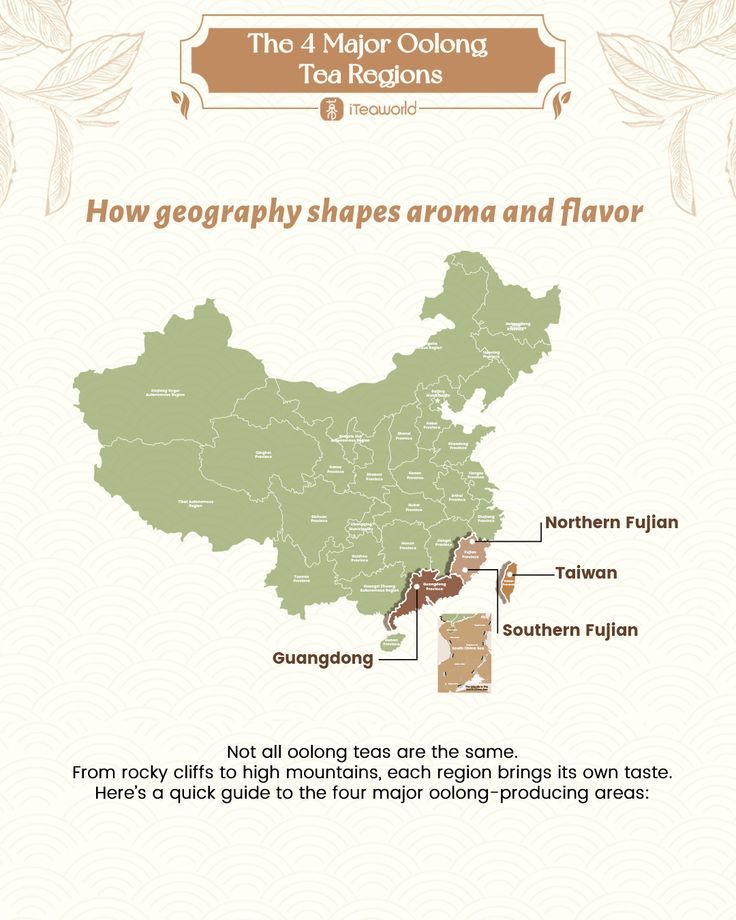
| Where is it mainly produced? | Fujian, Guangdong, and Taiwan |
| Why does it taste so different from one tea to another? | Because oxidation, roasting, cultivar, and processing style vary widely |
| Is it good for beginners? | Yes, but it helps to start with a clear style such as floral, roasted, or lightly creamy oolong |
What Is Oolong Tea?
Oolong tea, also called qing cha, is one of the six major tea categories in the Chinese tea classification system. In modern tea science, it is generally understood as a tea that falls between minimally oxidized green tea and fully oxidized black tea in processing style.[1]
That description is helpful, but it can also be misleading if taken too literally. Oolong is not just “halfway between” green and black tea in flavor. It is a category with huge variation. Depending on how it is processed, oolong can be:
- fresh and floral
- creamy and soft
- mineral and roasted
- fruity and honeyed
- deep and layered over many infusions
Why is it called oolong tea?
The exact naming story is not perfectly settled, and many traditional explanations exist. In practical terms, many accepted descriptions connect the name to the finished appearance of the tea: darker twisted leaves that resemble a dark dragon-like shape. For an English content site, it is better to present this as a traditional explanation rather than a proven fact.
The key processing steps
Although regional terminology differs, oolong tea generally involves several important stages:
- withering
- bruising or shaking
- partial oxidation
- fixation
- rolling or shaping
- drying
- often roasting or finishing heat
These steps help create the volatile compounds and flavor development that make oolong tea especially aromatic.[3][4]
Why Oolong Tea Tastes So Different
A beginner mistake is to assume that “oolong” means one predictable flavor. In reality, oolong is one of the most diverse tea categories.
Main reasons for variation
| Factor | Why It Matters |
|---|---|
| Oxidation level | Changes aroma, color, and body |
| Roasting level | Can add depth, warmth, and toasted notes |
| Cultivar | Some tea plants are naturally more floral, fruity, or creamy |
| Region | Climate, altitude, and local style influence the final cup |
| Processing style | Bruising, resting, shaping, and drying all affect aroma development |
Research on oolong tea aroma shows that processing, especially post-harvest handling and bruising-related steps, plays a major role in building the floral and fruity volatile profile associated with oolong tea.[3][6]
A simple comparison
| Oolong Style | Typical Character |
|---|---|
| Lightly oxidized, lightly roasted | Fresher, greener, more floral |
| Medium oxidized | Balanced, layered, often fruity or creamy |
| More oxidized and/or roasted | Deeper, toastier, more mineral or spice-like |
This is why a greener Tieguanyin and a roasted Wuyi rock tea can taste almost like two different tea worlds.
How Oolong Tea Is Commonly Classified
There are several valid ways to classify oolong tea. The three most useful are:
- by region
- by shape
- by oxidation and roast style
For most readers, regional classification is the most intuitive place to start.
Oolong Tea by Region
Regional Overview Table
| Region | Common English Label | Well-Known Styles |
|---|---|---|
| Northern Fujian | Wuyi Oolong / Wuyi Rock Tea | Da Hong Pao, Rou Gui, Shui Xian |
| Southern Fujian | Minnan Oolong | Tieguanyin, Huangjin Gui |
| Guangdong | Guangdong Oolong / Dancong Types | Phoenix Dancong, Lingtou Dancong |
| Taiwan | Taiwan Oolong | Dongding, Baozhong, Oriental Beauty, high mountain teas |
1. Northern Fujian Oolong
Northern Fujian is best known internationally for Wuyi rock tea, a category often associated with mineral depth, roast, structure, and what many drinkers describe as “rock rhyme” or yan yun.
Representative names include:
- Da Hong Pao
- Rou Gui
- Shui Xian
2. Southern Fujian Oolong
Southern Fujian, especially Anxi, is strongly associated with Tieguanyin and related styles. Depending on processing, these can range from lighter and floral to deeper and more traditionally roasted.
Representative names include:
- Tieguanyin
- Huangjin Gui
- Yongchun Fo Shou
3. Guangdong Oolong
Guangdong oolong, especially Phoenix Dancong, is famous for highly expressive aroma. These teas are often described in terms of fragrance families such as orchid, honey, almond, ginger flower, or fruit-like notes.
This category has become much more popular outside southern China in recent years because of its strong aromatic identity.
4. Taiwan Oolong
Taiwan developed a rich oolong tradition influenced by earlier Fujian tea culture but shaped by local cultivars, mountain environments, and finishing styles.
Representative styles include:
- Baozhong
- Dongding
- Oriental Beauty
- Jin Xuan
- high mountain oolongs from regions such as Alishan and Lishan
Oolong Tea by Leaf Shape
Shape is not the most important classification for beginners, but it is useful because it often hints at style.
Shape Table
| Shape Type | Description | Common Examples |
|---|---|---|
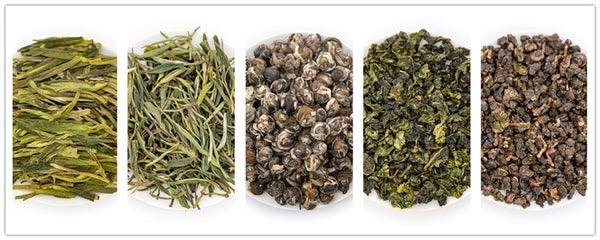
| Twisted strip style | Long, twisted leaves | Wuyi rock tea, Phoenix Dancong |
| Rolled ball style | Tightly curled or pellet-like leaves | Tieguanyin, Dongding |
| Compressed or shaped styles | Less common special forms | Certain regional specialty teas |
Twisted strip oolongs often look more rugged and expressive. Rolled oolongs often open dramatically across several infusions.
Oolong Tea by Oxidation Style
Another useful beginner framework is to think in terms of lighter, medium, and more heavily processed styles.
Oxidation and Style Table
| Style Range | Typical Character | Examples |
|---|---|---|
| Lightly oxidized | Fresher, greener, floral, lighter body | Baozhong, lighter Tieguanyin |
| Medium oxidation | Balanced, floral-fruity, more layered | Many Dancong teas, some traditional Tieguanyin |
| Higher oxidation and/or stronger roast | Deeper, roasted, mineral, fuller | Wuyi rock teas, Oriental Beauty in some contexts |
Research has shown that aroma development in oolong tea is strongly linked to processing conditions and volatile compound formation, which helps explain these sensory differences.[3][4][5][6]
Famous Oolong Teas Beginners Should Know
If you are new to oolong, you do not need to memorize every named cultivar or fragrance type. Start with a few reference points.
Beginner Reference Table
| Tea | Region | What Beginners Often Notice |
|---|---|---|
| Tieguanyin | Southern Fujian | Floral aroma, rounded mouthfeel, can range from fresh to roasted |
| Da Hong Pao | Northern Fujian | Roasted, mineral, deeper structure |
| Rou Gui | Northern Fujian | Spice-like warmth, structure, roast |
| Shui Xian | Northern Fujian | Smoother, fuller, often woody or floral-mineral |
| Phoenix Dancong | Guangdong | Strong, distinctive aroma, often fruit or flower-driven |
| Dongding Oolong | Taiwan | Balanced, often gently roasted and rounded |
| Oriental Beauty | Taiwan | Sweeter, fruitier, more oxidized character |
How to Brew Oolong Tea Well
One of the biggest practical differences between oolong and green tea is that most oolongs respond well to higher brewing temperatures.
General brewing principles
| Brewing Variable | Practical Starting Point |
|---|---|
| Water temperature | Usually near boiling for many oolongs |
| Vessel size | Small vessel is often preferred |
| Tea-to-water ratio | Often higher than many green tea setups |
| Infusion style | Multiple short infusions work especially well |
For many oolongs, boiling or near-boiling water helps release aroma more fully. Studies on oolong tea brewing and volatile release support the importance of brewing conditions in aroma presentation.[7]
Best teaware for oolong
A small porcelain gaiwan is often the easiest recommendation for most readers because it is:
- neutral
- easy to clean
- good for aroma assessment
- versatile across styles
Some experienced drinkers also prefer thin-bodied clay pots for specific oolongs, especially when they want the aroma to settle more into the liquor. For a general educational site, though, porcelain is the safest beginner recommendation.
A simple beginner brewing guide
| Tea Style | Water | Vessel | First Infusion |
|---|---|---|---|
| Light floral oolong | Near boiling or just below | Small gaiwan | Short |
| Roasted Wuyi-style oolong | Boiling | Small gaiwan or pot | Short |
| Dancong-style oolong | Boiling | Small gaiwan | Short and controlled |
The key is not to force one exact number into every tea. The better principle is:
Use hot water, a small vessel, and short infusions, then adjust by taste.
How to Taste and Appreciate Oolong Tea
Oolong tea is especially valued for its aroma. Studies on oolong tea and Tieguanyin have identified many volatile compounds linked to floral, fruity, and green-leaf aroma development.[4][5][6]
What to pay attention to
| Tasting Focus | What to Notice |
|---|---|
| Aroma | Floral, fruity, roasted, mineral, creamy, honeyed |
| Texture | Light, smooth, thick, rounded, drying, silky |
| Aftertaste | Quick sweetness, lingering fragrance, throat feel |
| Change across infusions | Does it fade quickly or develop gradually? |
Different traditions emphasize different strengths
In practice, different oolong traditions often value different things:
- Wuyi teas are often appreciated for depth, structure, and mineral character
- Tieguanyin is often judged strongly by aroma and clean sweetness
- Taiwan oolongs are often appreciated for balance, fragrance, softness, and clarity
- Dancong teas are often prized for vivid aromatic individuality
This part of tea appreciation becomes more meaningful with experience. It is fine if beginners cannot immediately identify every “rhyme” or aftertaste category. The first step is simply to notice that different oolongs ask you to pay attention in different ways.
Who Might Enjoy Oolong Tea Most?
This section is practical editorial guidance, not medical diagnosis.
Oolong may be a good fit if:
- you want more aroma than many black teas offer
- you find green tea too sharp or too grassy
- you like layered flavor over multiple infusions
- you want a tea that can feel neither too light nor too heavy
Practical fit table
| If you want... | Oolong May Fit Well |
|---|---|
| Floral aroma | Yes |
| Roasted depth | Yes |
| More complexity than basic black tea | Often yes |
| A forgiving beginner tea | Some styles yes, some no |
| Strong multi-infusion experience | Yes |
For many people, oolong becomes the category where tea starts to feel truly interesting.
When Is Oolong Tea a Good Choice?
Oolong is often described as one of the more versatile tea categories.
In practical everyday use, oolong is often a good choice:
- in the afternoon, when you want aroma and alertness without a very heavy cup
- with richer meals, when you want something structured and cleansing
- across different seasons, because some styles feel cooling and floral while others feel warming and roasted
Rather than saying it is always right for a specific body type, it is safer in English-language educational content to say that oolong covers a wide spectrum and can suit many drinkers depending on style.
How to Store Oolong Tea
Storage is not glamorous, but it matters.
Basic storage rules
| Rule | Why It Matters |
|---|---|
| Keep tea dry | Moisture damages aroma and stability |
| Avoid strong odors | Tea absorbs surrounding smells easily |
| Keep away from light | Light can degrade quality over time |
| Use a sealed container | Helps preserve aroma and freshness |
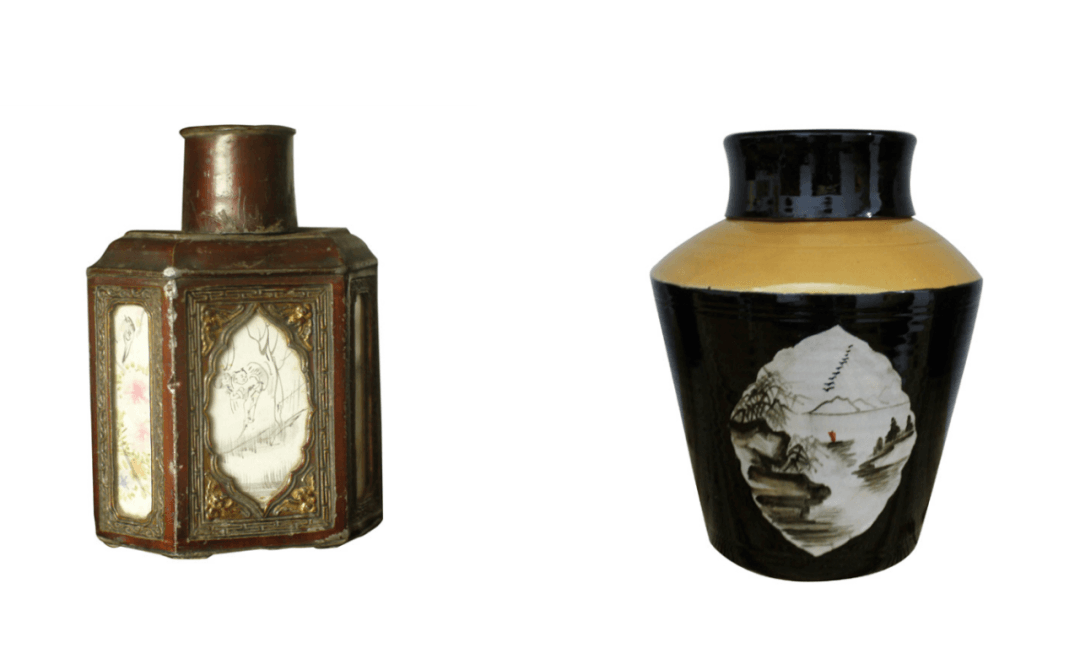
For lighter, more fragrance-driven oolongs, freshness matters especially much. For roasted styles, stable, dry, odor-free storage is still essential, though some behave differently over time.
A simple airtight container kept in a cool, dry, dark place is enough for most home drinkers.
Final Thoughts
Oolong tea is not one flavor, one region, or one personality.
It is one of the broadest tea categories in the world: floral, roasted, green-leaning, dark-leaning, twisted, rolled, mountain-grown, rock-grown, and often deeply aromatic.
That is exactly why it matters.
If green tea feels too delicate and black tea feels too straightforward, oolong is often where drinkers discover a deeper tea world.
If you are just beginning, start with one clear reference point:
- a floral Tieguanyin
- a roasted Wuyi tea
- or an aromatic Dancong
From there, the category begins to make sense one cup at a time.
References
- Ng KW, Cao ZJ, Chen HB, Zhao ZZ, Zhu L, Yi T. Oolong tea: A critical review of processing methods, chemical composition, health effects, and risk.
- Lin LZ, Chen P, Harnly JM. New Phenolic Components and Chromatographic Profiles of Green and Fermented Teas.
- Zeng L, Jin S, Xu YQ, Granato D, Fu YQ, Sun WJ, Yin JF, Xu YQ. Exogenous stimulation-induced biosynthesis of volatile compounds: Aroma formation of oolong tea at postharvest stage.
- Study on dynamic alterations of volatile organic compounds reveals aroma development over enzymatic-catalyzed process of Tieguanyin oolong tea production.
- Effects of turning over intensity on fatty acid metabolites in postharvest leaves of Tieguanyin oolong tea (Camellia sinensis).
- He C, et al. The aroma characteristics of oolong tea are jointly determined by processing mode and tea cultivars.
- Cao QQ, et al. Optimization of brewing conditions for Tieguanyin oolong tea by quadratic orthogonal regression design.