If you love green tea but keep ending up with a cup that tastes bitter, rough, or dull, you are not doing anything unusual. This is one of the most common problems beginners run into.
Most failed cups come down to the same few issues:
- the water is too hot
- the tea-to-water ratio is too strong
- the leaves sit in water too long
- the brewing method gives too little control
Green tea is especially sensitive because it is one of the least oxidized tea types. Its fresher compounds are easier to preserve, but they are also easier to overwhelm with harsh brewing. Research on tea chemistry and green tea infusions consistently shows that brewing conditions such as temperature, time, and extraction method meaningfully affect both the chemical profile and the sensory result in the cup.[1][2][3]
This guide is written for beginners who want a practical home method, not a tea ceremony. The goal is simple: help you brew green tea that tastes fresh, clean, sweet, and balanced instead of sharp and over-extracted.
Three Golden Rules for Better Green Tea
Before we get into methods, these three rules will solve most beginner problems.
1. Keep the water cooler, not hotter
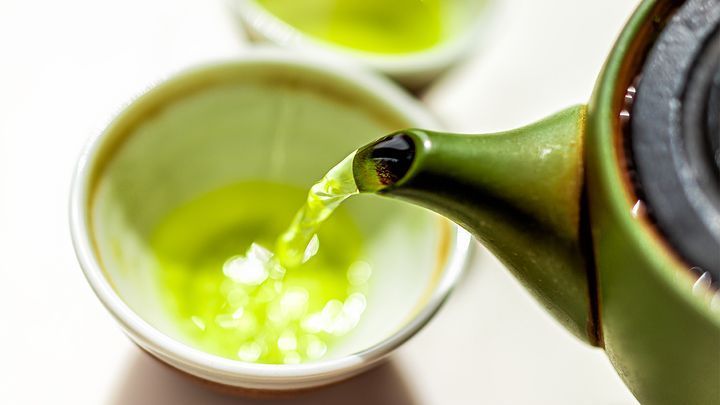
For most green teas, a starting range of about 75°C to 85°C is more forgiving than boiling water. Higher water temperatures extract flavor faster, but they can also increase bitterness, astringency, and imbalance in delicate green teas.[2][3]
2. Use less leaf, not more
With green tea, “more” does not always mean “better.” Overloading the cup often pushes the brew toward heaviness and bitterness, especially if the water is too hot.
3. Steep quickly, not slowly
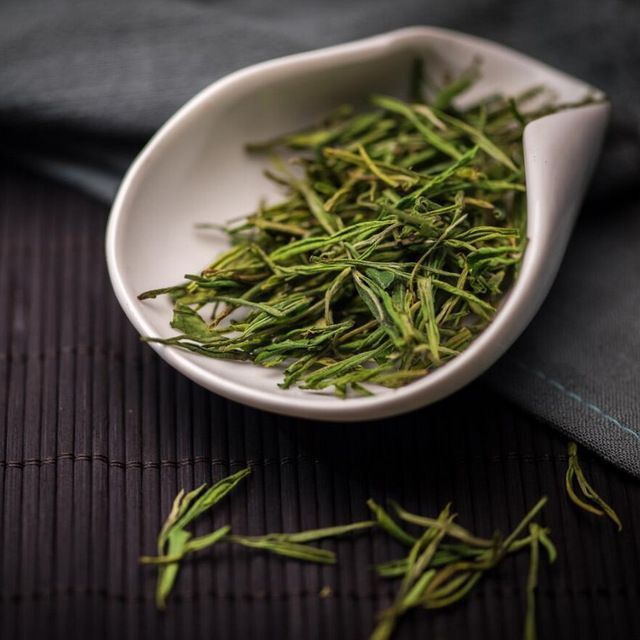
Green tea usually benefits from shorter infusions. Long soaking times increase extraction and often push the cup away from sweetness and clarity toward roughness and bitterness.[2][3]
If you remember only one sentence, make it this:
Use cooler water, lighter leaf, and shorter steeps.
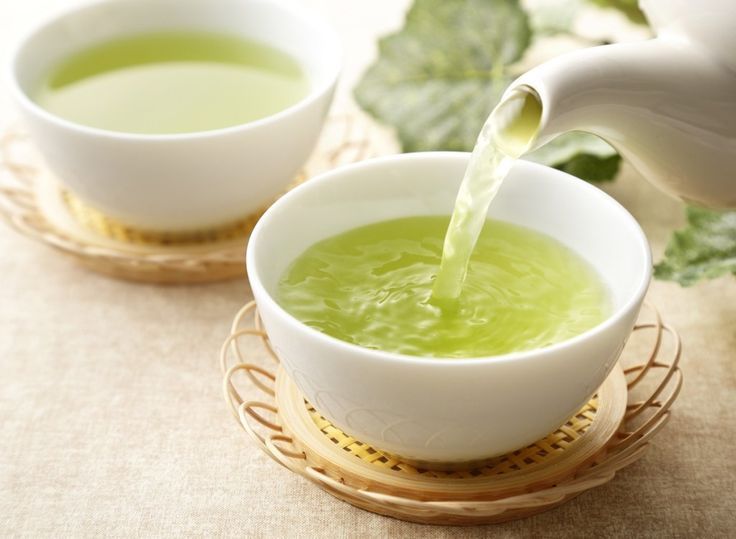
Why Green Tea Turns Bitter So Easily
Green tea is processed differently from darker tea types. In broad terms, the leaves are heated earlier to limit oxidation and preserve a fresher profile.[1][4] That is part of what gives green tea its clean, lively character, but it also means the tea is less forgiving under harsh brewing conditions.
When you use water that is too hot or leave the leaves in water too long, you often extract too much too quickly. Instead of tasting sweet, fresh, and softly vegetal, the tea can become:
- bitter
- drying
- flat
- cloudy or less elegant in aroma
This is not always a sign that the tea itself is poor. Very often, it is simply an extraction problem.
The Best Water Temperature for Green Tea
If you want green tea to stay fresh and pleasant, water temperature is the first variable to fix.
A practical beginner guide looks like this:
- 75°C to 80°C for very delicate green teas
- 80°C to 85°C for many everyday Chinese green teas
- 85°C to 90°C for larger-leaf or sturdier green teas
Studies on green tea brewing show that temperature has a measurable effect on catechin extraction, antioxidant-related compounds, and sensory acceptance.[2][3] In practical terms, hotter water may produce a stronger cup, but it also raises the risk of bitterness and a harsher finish.
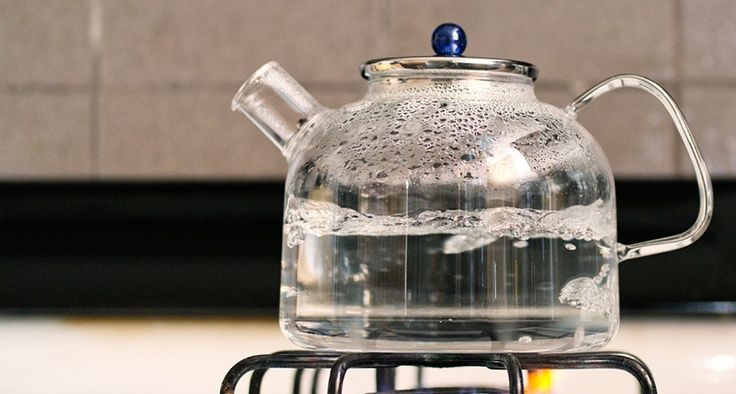
A simple tea-style guide
Very delicate green teas
Examples: Biluochun, Xinyang Maojian, Mengding Ganlu
Start lower, around 75°C to 80°C
Flat or medium-delicate green teas
Examples: Longjing, Huangshan Maofeng
Start around 80°C to 85°C
Larger-leaf or sturdier styles
Examples: Taiping Houkui, Lu’an Guapian
You can often go slightly higher, around 85°C to 90°C
This is practical guidance, not a rigid law. Good tea brewing is adjusted by tea style, leaf grade, and taste preference.
Tea-to-Water Ratio: Why Stronger Is Not Better
A common beginner instinct is to add more leaf for more flavor. With green tea, this often backfires.
A stronger ratio combined with high heat is one of the fastest ways to create bitterness. A better starting point is to brew slightly lighter, taste, and then adjust.
A simple beginner range is:
- about 2 to 3 grams of tea per 200 to 250 ml of water for glass or mug brewing
- about 3 grams in a small gaiwan for short infusions
This gives you room to taste the tea’s sweetness and aroma before pushing the extraction too far.
How Long to Steep Green Tea
Steeping time matters as much as water temperature. Even at a decent temperature, leaving green tea too long in water can produce a rougher cup.
Research on green tea brewing conditions shows that steep time changes both extraction outcomes and sensory acceptance.[2][3] For beginners, shorter is usually safer.
A practical starting point:
- 45 to 90 seconds for a first western-style cup
- 5 to 10 seconds for the first gaiwan infusion
- slightly longer for later infusions as the leaves open
One useful habit is to underdo the first cup slightly, then adjust upward if needed. Fixing a weak cup is easy. Fixing a bitter cup is much harder.
Water Quality Matters More Than Many People Expect
Tea does not just react to temperature and time. It also reacts to the water itself.
Mineral content and hardness can change flavor extraction, mouthfeel, and aroma clarity. Research has shown that brewing water composition affects the sensory properties and extraction behavior of tea.[5]
In practical terms:
- very hard water may make green tea taste duller or rougher
- softer water often gives a clearer, cleaner cup
- stale reboiled water can flatten the tea
A good beginner rule is to use fresh water each time. If your local tap water is very mineral-heavy, trying a softer bottled water can be a useful experiment.
Two Easy Brewing Methods That Work at Home
You do not need complicated gear to brew green tea well. These two methods are enough for most beginners.
1. Glass Cup Method
Best for simple home drinking and visually delicate teas
This method is especially good for tender green teas such as:
- Biluochun
- Longjing
- Maojian
It is easy, attractive, and practical for daily use.
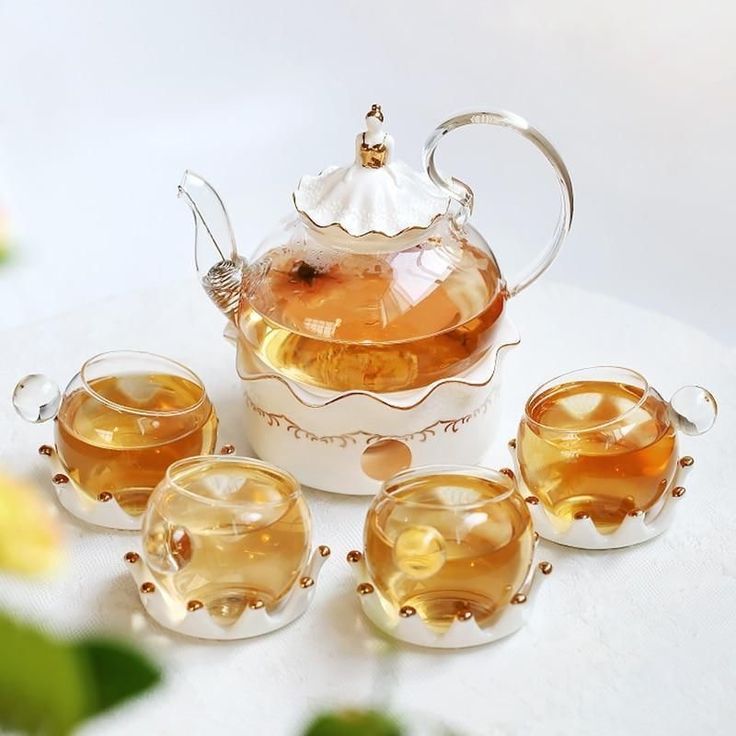
Step 1: Warm the glass
Rinse the glass with hot water, then pour it out. This gently warms the vessel and helps the aroma open more smoothly.
Step 2: Use the middle-drop method
This is the most stable beginner method:
- pour about one-third of the warm water into the glass
- add the tea leaves
- gently swirl once or twice
- pour more water slowly down the inner wall of the glass until it is about 70% full
This protects delicate leaves from direct heat shock.
Step 3: Let the leaves settle
Wait about one minute, or until the leaves begin to open and sink. Then taste.
Step 4: Refill before the cup is empty
When you have drunk about half the cup, add more water. This helps maintain a smoother flavor curve and avoids a sudden drop in strength.
Special tip for very delicate teas
For teas with lots of fine downy hairs, such as Biluochun, the top-drop method can work better:
- add water first
- add tea second
This often keeps the liquor looking cleaner and reduces visual clouding from floating hairs.
2. Gaiwan Method
Best for cleaner flavor and better aroma control
If you want a more focused cup or want to compare teas carefully, a gaiwan is one of the best tools for green tea.
Step 1: Warm the gaiwan and fairness pitcher
Rinse both with hot water.
Step 2: Add the tea
Use about 3 grams as a starting point for a small gaiwan.
Step 3: Pour gently along the wall
Do not blast the leaves directly. Pour gently along the inner wall so the leaves open more softly.
Step 4: Pour out quickly
For the first infusion, start with around 5 to 10 seconds, then pour out all the liquor completely.
Step 5: Extend slightly in later infusions
Each later infusion can run a little longer as the leaves gradually release flavor.
This method gives more control and often produces a cleaner, sweeter, more layered cup than careless mug brewing.
Four Mistakes Beginners Make Again and Again
1. Using boiling water
This is the fastest way to ruin many green teas. The cup becomes harsher, less fresh, and more bitter.[2][3]
2. Brewing in a thermos for too long
A thermos traps heat and extends steeping too aggressively. Instead of tasting lively, the tea often turns into a dull, overcooked drink.
3. Using too much tea
Heavy leaf loading can make the tea feel thick and rough rather than flavorful.
4. Leaving the leaves in water the whole time
Green tea is not forgiving when it sits too long. Long soaking is one of the clearest paths to bitterness.
How to Fix Green Tea That Already Tastes Bitter
If your tea is only slightly bitter, do not throw everything out and assume the tea is bad. Change one variable at a time.
Try this order:
- lower the water temperature. If you don’t have a thermometer, let the boiled water sit for 3 to 5 minutes before brewing.
- shorten the steep
- reduce the amount of tea
- use fresher or softer water
If the cup is badly over-extracted, it usually cannot be fully rescued. The better move is to adjust the next infusion rather than trying to force the current one into balance.
What Well-Brewed Green Tea Should Taste Like
A good cup of green tea should not taste aggressive.
It should usually feel:
- fresh
- clean
- lightly sweet
- gently aromatic
- smooth in the finish
A little structure is normal. Harsh bitterness is not the goal.
Beginners often think green tea is supposed to be difficult or sharp. More often, the tea just needs gentler treatment.
A Quick Green Tea Brewing Cheat Sheet
| Tea Style | Water Temperature | Starting Ratio | First Steep |
|---|---|---|---|
| Very delicate green tea | 75–80°C | 2–3 g / 250 ml | 45–60 sec |
| Everyday Chinese green tea | 80–85°C | 2–3 g / 250 ml | 60–90 sec |
| Larger-leaf green tea | 85–90°C | 2–3 g / 250 ml | 60–90 sec |
| Small gaiwan brewing | 80–85°C | ~3 g / small gaiwan | 5–10 sec |
Treat this as a starting point, not a universal law.
Final Thoughts
A good cup of green tea should feel like freshness and clarity, not punishment.
You do not need advanced skills or expensive gear to get there. What matters most is understanding that green tea responds strongly to heat, time, and proportion. Once you stop using boiling water and over-steeping it, green tea becomes much easier to enjoy.
If you brew gently, green tea can reward you with one of the cleanest, sweetest, most refreshing cups in tea.
References
1. [Green Tea (*Camellia sinensis*): A Review of Its Phytochemistry, Pharmacology, and Toxicology]
2. [New Phenolic Components and Chromatographic Profiles of Green and Fermented Teas]
3. [Comprehensive Investigation of the Effects of Brewing Conditions in Sample Preparation of Green Tea Infusions]
4. [Traditional tea processing techniques and associated social practices in China]
5. [Effects of Water Quality on the Nutritional Components and Antioxidant Activity of Green Tea Infusions]