Yellow tea is probably the least visible of China's six major tea categories.
Many tea drinkers know green tea, black tea, oolong, white tea and dark tea. Yellow tea often sits in the blind spot: people may have heard the name, but they rarely know what it tastes like, how it is made, or why it is not simply "old green tea."
The short answer is this: yellow tea is close to green tea, but it is not green tea. Its defining feature is an extra processing step called men huang, often translated as yellowing, sealed yellowing or sweltering. This step changes the leaf, liquor and flavour profile, giving yellow tea its mellow sweetness, yellow-toned liquor and gentler character.
The Quick Definition
Yellow tea is usually described as a lightly oxidized or lightly fermented Chinese tea. It begins with processing steps similar to green tea, but the leaves are then allowed to yellow under controlled warmth and humidity.
| Feature | What it means in yellow tea |
|---|---|
| Tea category | Lightly oxidized or lightly fermented tea |
| Key step | Men huang, the yellowing or sweltering process |
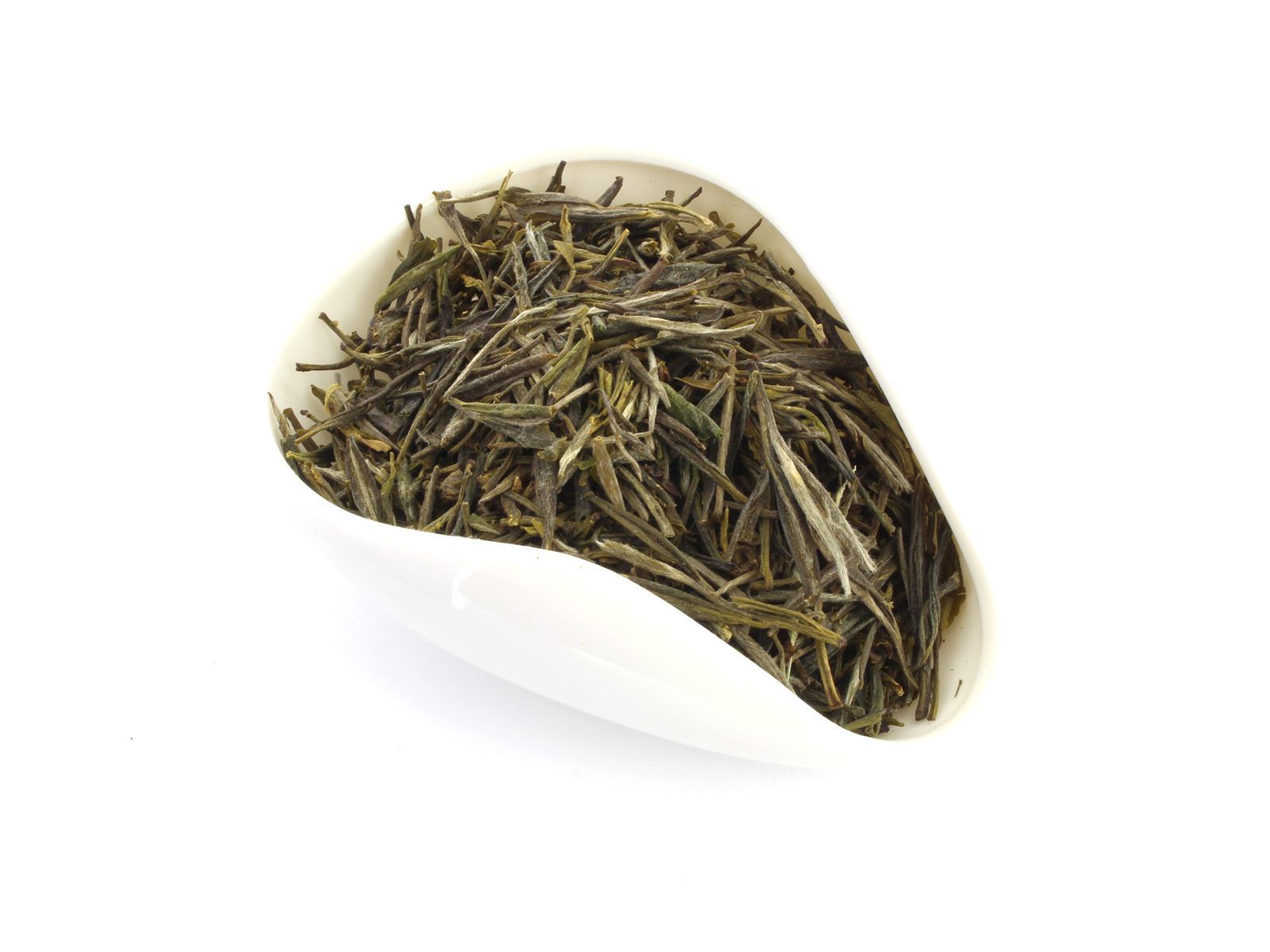
| Visual traits | Yellowish dry leaves, liquor and infused leaves |
| Flavour direction | Mellow, sweet, grain-like, nutty, gentle |
| Difference from green tea | Less sharp freshness, more warmth and softness |
Yellow tea is not spoiled green tea. It is not green tea that accidentally sat too long in storage. True yellow tea is deliberately processed to create a controlled mellowing effect.
Why Yellow Tea Exists
Yellow tea is historically tied to green tea production. In green tea making, fresh leaves are heated to stop enzyme-driven oxidation and preserve a fresh, green character. If the leaves remain warm and damp too long, they begin to yellow.
At some point, that "mistake" became a technique.
Tea makers learned to control the yellowing stage instead of avoiding it. The result was a tea that retained some of green tea's clarity while losing part of its grassy edge. Good yellow tea can taste softer, rounder and more approachable than many green teas.
Men Huang: The Step That Defines Yellow Tea
Men huang is the centre of yellow tea production.
The basic idea is simple: after heating, while the leaves still hold warmth and moisture, they are wrapped, piled, covered or otherwise held in a warm and humid condition. During this stage, chemical changes affect colour, aroma and taste.
The execution is not simple.
Different regions use different yellowing methods. Some yellow before rolling. Some yellow after rolling. Some use paper or cloth wrapping. Some combine gentle heating with piling. Time, humidity, temperature and leaf thickness all matter.
| Step | Role |
|---|---|
| Plucking | Determines leaf tenderness and grade |
| Kill-green | Stops rapid oxidation, similar to green tea processing |
| Yellowing | Creates the yellow liquor, yellow leaves and mellow taste |
| Rolling or shaping | Affects appearance and flavour extraction |
| Drying | Stabilizes the tea for storage |
Scientific studies also support the importance of this step. Research on yellowing duration and yellowing conditions shows that time, temperature and humidity influence the chemical profile, aroma and sensory qualities of yellow tea.
The Three Main Types of Yellow Tea
Yellow tea is commonly grouped by the tenderness of the raw leaf material.
| Type | Leaf material | Examples | Best for |
|---|---|---|---|
| Yellow bud tea | Buds or one bud with one young leaf | Junshan Yinzhen, Mengding Huangya, Huoshan Huangya | Drinkers who want a delicate and elegant cup |
| Small-leaf yellow tea | One bud with one or two leaves | Beigang Maojian, Weishan Maojian, Pingyang Huangtang | Drinkers who want balance between aroma and body |
| Large-leaf yellow tea | More mature leaves, often one bud with several leaves | Huoshan Huangdacha, Guangdong Dayeqing | Drinkers who enjoy thicker and more rustic flavours |
Several names are easy to confuse:
- Mengding Huangya is yellow tea, while Mengding Ganlu is green tea.
- Not every tea named "Maojian" is green tea. Some yellow teas also use that name.
- Zhuyeqing is a famous Sichuan green tea, not a yellow tea.
- Names containing "Huangya" often point toward yellow bud tea, but origin and processing still matter.
How to Brew Yellow Tea
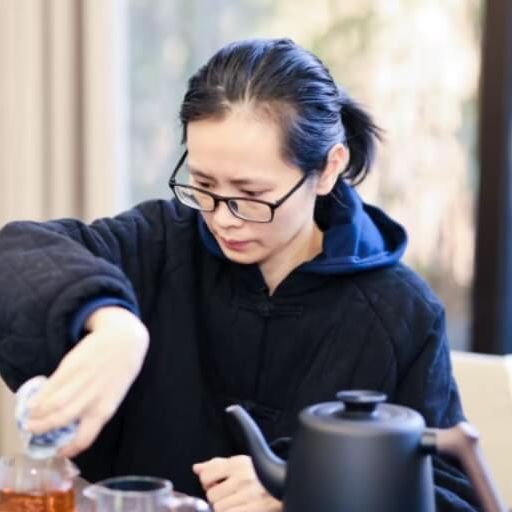
Yellow tea can be brewed much like green tea, but it often tolerates slightly warmer water and a more relaxed style. The best method depends on the grade and leaf tenderness.
Glass or Mug Brewing
This is the easiest method for yellow bud tea and small-leaf yellow tea.
| Parameter | Starting point |
|---|---|
| Tea-to-water ratio | About 1:100 |
| Example | 3g tea for a 300ml cup |
| Water temperature | Around 85 C |
| Steeping time | 2-3 minutes |
| Refill method | Refill when one-third of the liquor remains |
Tender yellow bud teas usually do not need rinsing. Leaving some liquor in the cup before refilling helps keep the flavour more stable across infusions.
Gaiwan or Small Teapot Brewing
This method gives more control and lets you observe changes across multiple infusions.
| Parameter | Starting point |
|---|---|
| Tea-to-water ratio | About 1:40 to 1:50 |
| Example | 3g tea for a 110-150ml gaiwan |
| Water temperature | Around 90-95 C |
| Early infusions | Around 20 seconds |
| Later infusions | Add about 10 seconds each round |
These numbers are guidelines, not laws. If the tea tastes thin, raise the temperature or steep longer. If it tastes dull or heavy, lower the temperature, use less leaf or pour faster.
Why Yellow Tea Is So Rare
Yellow tea is not rare because it lacks charm. It is rare because it is difficult to make, difficult to market and difficult for casual drinkers to understand quickly.
First, the process is demanding. Men huang requires judgement. Under-yellowed tea can taste too much like green tea. Over-yellowed tea can taste flat, stale or muddy.
Second, its flavour is subtle. Green tea has freshness. Black tea has sweetness and body. Oolong can be floral, creamy or roasted. Yellow tea is often more restrained: sweet, gentle, grain-like and mellow. That quietness is beautiful, but it is harder to sell in a market that rewards obvious aroma and strong identity.
Third, production is limited. Traditional yellow tea regions are not as commercially dominant as China's major green tea areas, and the craft requires time and skill.
Fourth, the economics are awkward. Proper yellowing adds labour and risk, but consumers may not always pay more for a tea that seems only slightly different from green tea. As a result, some producers shorten the yellowing stage and make teas that look and taste greener than traditional yellow tea.
How to Buy Yellow Tea Without Getting Confused
When buying yellow tea, look for signs that the tea has actually gone through a meaningful yellowing process.
| What to check | Good sign | Possible problem |
|---|---|---|
| Dry leaf | Natural yellow-green or soft yellow tone | Very green leaves may indicate weak yellowing |
| Liquor | Clear pale yellow or apricot-yellow colour | Green liquor may taste closer to green tea |
| Infused leaf | Yellowed leaf base | Completely green or dull brown leaves |
| Aroma | Sweet, grain-like, nutty or chestnut-like | Strong grassy note or stale damp smell |
| Taste | Mellow, sweet, smooth and gentle | Too sharp like green tea, or too dull and stuffy |
For a first purchase, start with known names such as Junshan Yinzhen, Mengding Huangya or Huoshan Huangya. If those are too expensive, try Pingyang Huangtang or Huoshan Huangdacha for a more approachable entry point.
Who Should Try Yellow Tea?
Yellow tea is ideal for people who like the clarity of green tea but want something less grassy and less sharp.
It is also a useful category for anyone trying to understand Chinese tea processing. Yellow tea shows how one extra step can shift colour, aroma, texture and overall drinking experience.
If you want loud fragrance, yellow tea may not impress you immediately. If you enjoy quiet sweetness, soft texture and subtle grain-like aromas, it can be deeply rewarding.
FAQ
Is yellow tea the same as green tea?
No. Yellow tea is close to green tea in processing, but it includes an additional yellowing step called men huang. That step gives it a softer taste and yellow-toned liquor.
Is yellow tea spoiled or aged green tea?
No. True yellow tea is intentionally processed, not accidentally spoiled.
Does yellow tea need to be rinsed?
Tender yellow bud tea usually does not need rinsing. More mature yellow teas can be rinsed briefly if you prefer.
What water temperature should I use?
For cup brewing, start around 85 C. For gaiwan brewing, start around 90-95 C and adjust by taste.
Why do some yellow teas taste like green tea?
They may be lightly yellowed, under-yellowed or intentionally processed in a greener style to suit market demand.