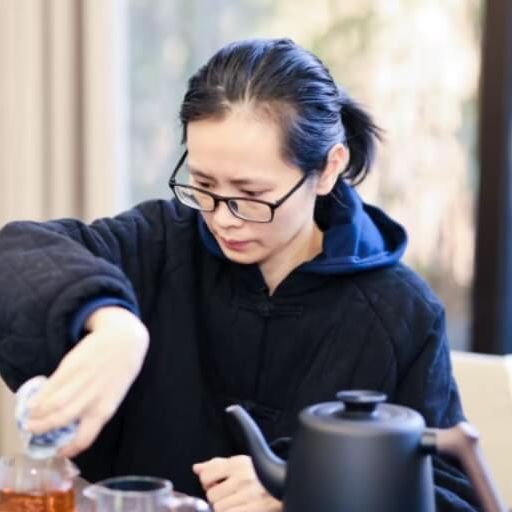
Many people struggle with Zhangping Shui Xian for the same reason: the first infusion wets the outside of the tea cake, but the center stays tight.
Using hotter water does not always solve the problem. Pouring harder can make it worse. The water splashes, the surface of the pressed cake gets shocked, and the inside still does not open evenly.
The issue is not that Zhangping Shui Xian is difficult tea. It is that it is a pressed oolong, and pressed oolong behaves differently from loose-leaf oolong.
The key is simple:
Use boiling water, but pour with a thin, slow stream into the gaps of the tea cake.
That one adjustment changes the first infusion from a surface rinse into a controlled opening step.
What Is Zhangping Shui Xian?
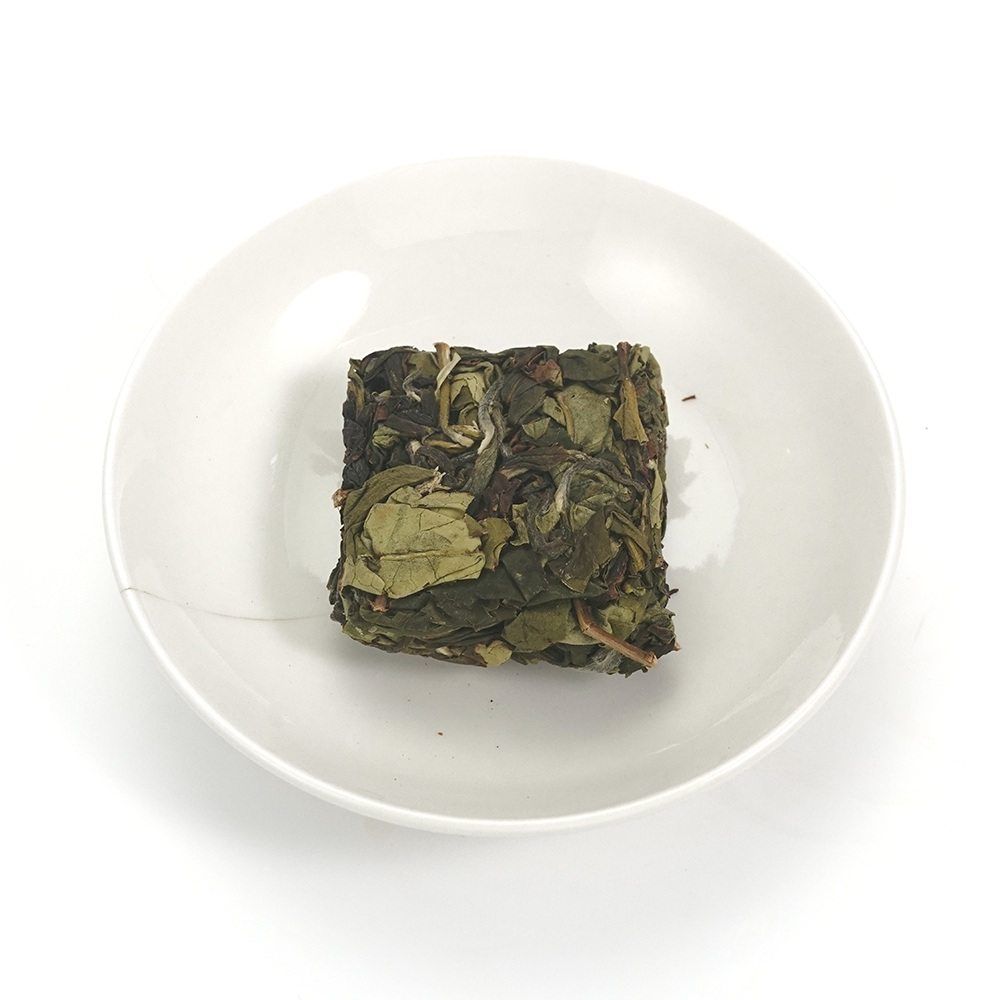
Zhangping Shui Xian is an oolong tea from Zhangping in Fujian, China. It is especially recognizable because it is commonly compressed into small square cakes and wrapped in paper.
China's national intangible cultural heritage database lists oolong tea making technique, specifically Zhangping Shui Xian tea making technique, as a national representative intangible cultural heritage expansion project. Chinese geographic indication records also identify Zhangping Shui Xian as a protected regional tea product.
Its square shape is not only decorative. Pressing and wrapping help preserve form and aroma, but they also create the main brewing challenge: water needs time and direction to reach the center of the cake.
That is why the first infusion matters so much.
Why High Pouring Often Fails
Oolong tea is often brewed with very hot water. That still applies to Zhangping Shui Xian.
But hot water and aggressive pouring are not the same thing.
If you pour boiling water forcefully onto a compact square cake, several things can happen:
- the water bounces off the surface;
- the outer leaves get wet while the center remains dry;
- the early aroma rises, but the liquor feels thin;
- hot water splashes around the gaiwan;
- extraction becomes uneven.
For Zhangping Shui Xian, the goal is not to attack the cake. The goal is to let water enter the seams between compressed leaves.
Recommended Brewing Setup
| Item | Recommendation |
|---|---|
| Vessel | Small gaiwan, about 120ml |
| Tea amount | One Zhangping Shui Xian square cake |
| Water temperature | Boiling water |
| First pour | Thin stream, low pour, aimed at the gaps |
| First infusion | About 15-30 seconds |
| Second infusion | About 15 seconds, adjusted by how open the cake is |
| Later infusions | Continue boiling water and gentle low pouring; increase time as needed |
These are practical starting points, not fixed rules. A tighter cake, heavier roast or older tea may need slightly more time. A looser cake may open faster.
Step-by-Step First Infusion
1. Do Not Break the Cake Immediately
You can break Zhangping Shui Xian apart, but beginners should first learn to brew it whole.
Brewing the whole cake helps preserve a gradual opening process. If you crush the cake too early, the first cups can become rough, thin or uneven.
2. Look for the Gaps
Before adding water, inspect the tea cake.
You will usually see small seams where the leaves overlap. Those seams are the target. Do not pour only at the center of the top surface. Do not rely only on water running down the wall of the gaiwan.
Aim the water where it can enter the cake.
3. Use a Thin Water Stream
A thin water stream means the flow from your kettle or fairness pitcher is narrow, stable and controlled.
Keep the pour low. Move slowly. Let the water seep into the gaps rather than hammering the top of the cake.
Think of this as moistening the structure from the inside, not blasting the outside.
4. Steep for 15-30 Seconds
After pouring, cover the gaiwan and give the tea a short opening infusion.
This step can function like a wake-up infusion, but it does not have to be discarded. If the tea is clean and the liquor smells pleasant, the first infusion is drinkable.
Use 15 seconds if the cake begins to loosen quickly. Move closer to 30 seconds if the cake remains tight.
5. Check the Cake After Pouring Out
After the first infusion, look at the tea cake.
If it has softened and started to loosen, the first infusion did its job. If the center is still hard, do not switch to aggressive pouring. Continue with thin-stream pouring in the second infusion.
How to Brew the Second and Later Infusions
The second infusion still uses boiling water.
Pour low and slowly again, aiming at the loosened seams. Around 15 seconds is a useful starting point. If the liquor is too light, extend slightly. If it becomes rough or bitter, shorten the next infusion.
By the third, fourth and fifth infusions, the floral aroma and body should become more complete. Zhangping Shui Xian should not be judged by aroma alone. Its liquor texture matters too: smoothness, body and the gentle depth associated with the Shui Xian cultivar are part of the experience.
Troubleshooting Table
| Problem | Likely Cause | Fix |
|---|---|---|
| The first infusion does not open the cake | Water only wet the surface | Aim a thin stream into the seams and steep 20-30 seconds |
| The liquor smells good but tastes thin | The center did not soften enough | Extend the first infusion slightly and continue slow pouring |
| The liquor feels rough | The water stream was too forceful | Lower the pour and reduce impact |
| Water splashes everywhere | High pouring onto a hard cake | Keep the kettle closer to the gaiwan |
| Paper wrapper has tea-colored marks | Tea juices may have seeped during roasting or storage | Judge by smell, storage condition and tea quality, not marks alone |
| Floral aroma is weak | Roast level, storage or cake tightness may vary | Open the cake properly first, then evaluate the second and third infusions |
Boiling Water and Gentle Pouring Are Not Opposites
This is the most important idea.
Water temperature and pouring style are separate variables.
Zhangping Shui Xian usually benefits from boiling water because it is an oolong tea and a pressed tea. Lower-temperature water may fail to wake the aroma or loosen the cake.
But the pour should still be gentle. Boiling water activates the tea. Thin-stream pouring controls how evenly it opens.
Adjusting for Roast Level
Zhangping Shui Xian can vary in roast level.
Lighter styles may show a clearer floral quality, often compared with gardenia-like fragrance. Heavier-roasted versions may have more body and warmth. The brewing method remains similar, but the timing can change.
For lighter styles, avoid overly aggressive pouring that scatters the delicate aroma. For heavier roasts, give the first infusion enough time to soften the cake and build liquor texture.
The universal rule remains:
Boiling water, low pour, thin stream, aim for the gaps, short opening steep.
Quick Method
If you only want the simplest version, follow this:
- Put one Zhangping Shui Xian cake into a 120ml gaiwan.
- Find the seams between compressed leaves.
- Use boiling water.
- Pour low with a thin stream.
- Aim the stream into the gaps.
- Steep the first infusion for 15-30 seconds.
- Pour out and check whether the cake has softened.
- Continue the second infusion with boiling water and about 15 seconds.
The first infusion is not about forcing flavor out. It is about opening the cake evenly so the later cups can show both fragrance and texture.
FAQ
Should I discard the first infusion of Zhangping Shui Xian?
Not necessarily. The first infusion helps open the cake, but it can be drunk if the tea is clean and the liquor smells pleasant.
Does Zhangping Shui Xian need boiling water?
Generally, yes. It is a pressed oolong tea, so boiling water helps activate aroma and loosen the cake. The key is to pour gently rather than forcefully.
Can I break the cake before brewing?
You can, but it is not necessary. Brewing the cake whole gives a more gradual opening and helps preserve texture. Beginners may learn more by brewing it intact first.
Why pour into the gaps?
Because the tea is compressed. Water entering the seams can soften the cake from within. Water hitting only the surface may leave the center closed.
Is 15 seconds or 30 seconds better for the first infusion?
It depends on the cake. Use about 15 seconds if it opens quickly. Use closer to 30 seconds if it remains tight.