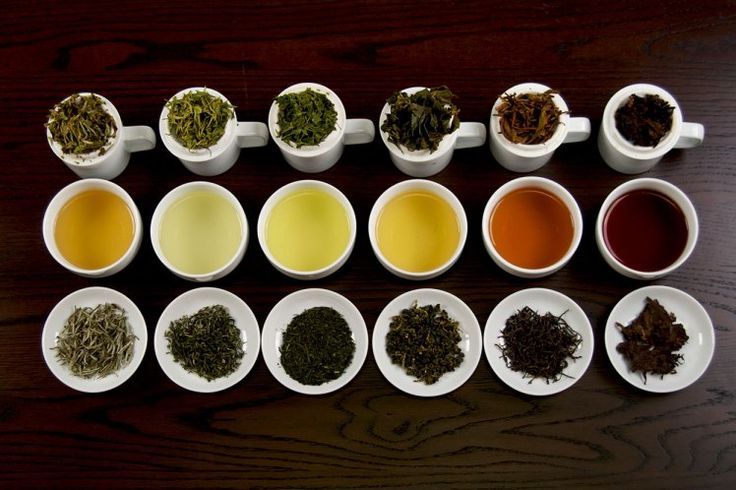
If you have been drinking tea for years and still feel unsure about the differences between Chinese tea types, you are not alone. Many people can recognize the names of popular teas, but still do not really understand why one tea tastes fresh and grassy, another tastes floral and layered, and another feels deep, smooth, and earthy.
The easiest place to start is this: Chinese tea is not mainly organized by leaf shape, brand, or even where it was grown. It is organized by processing.
In everyday tea language, people often talk about “fermentation” when describing the six major Chinese tea categories. In more precise scientific terms, these categories are shaped by different degrees of oxidation, heat treatment, and in some teas, post-fermentation or microbial transformation. Those processing steps are what create major differences in aroma, body, liquor color, and overall drinking experience.
Sources: 1, 2, 3This guide gives beginners the broad map first, so you can understand the six major Chinese tea types, what they generally taste like, and which ones may be easiest to start with.
How Chinese Tea Categories Are Usually Organized
Why processing matters more than marketing labels
All true tea comes from the same plant species: Camellia sinensis. What turns that one plant into green tea, oolong tea, black tea, or dark tea is the way the leaves are processed after harvest.
The key variables include:
- whether oxidation is stopped early or allowed to continue
- whether the leaves are rolled, shaped, or roasted
- whether the tea is aged or post-fermented
- how moisture is removed and how aroma develops
That is why two teas made from the same plant can taste completely different. Processing changes both the chemistry of the leaf and the sensory profile of the finished tea.
Sources: 1, 2
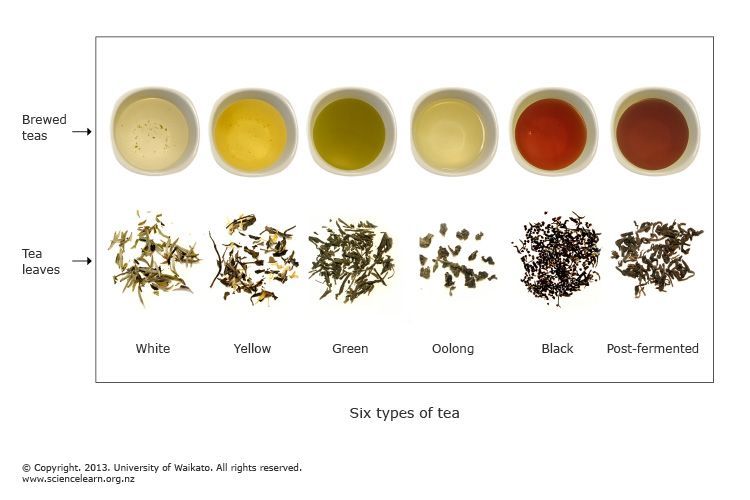
The six broad tea categories
In the standard Chinese system, the six major tea categories are:
- Green tea
- White tea
- Yellow tea
- Oolong tea
- Black tea
- Dark tea
These are broad categories, not single flavors. Each category contains many regional styles, cultivars, and processing variations.
Source: 3
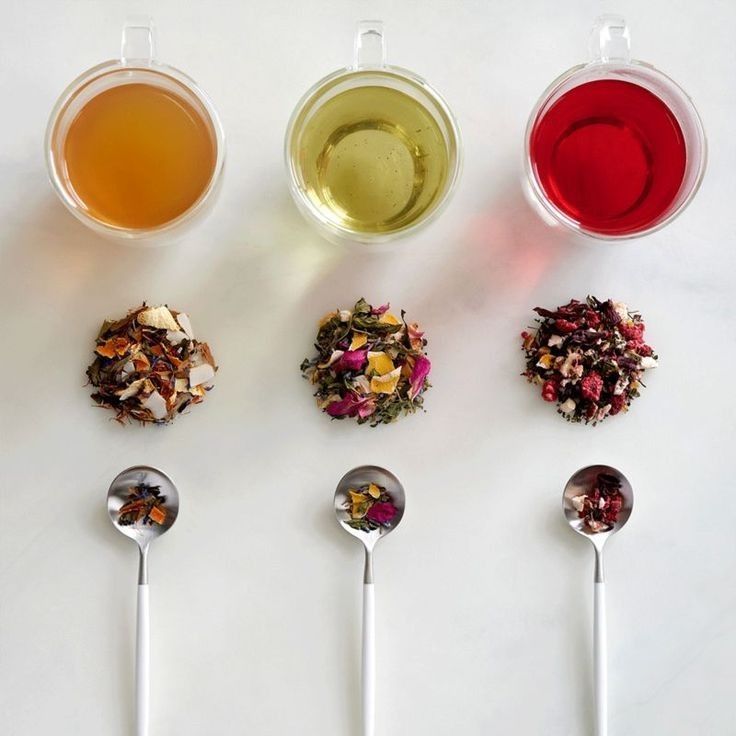
Why “herbal tea” is different from true tea
It is also worth clearing up one common point of confusion: herbal tea is not technically one of the six tea categories unless it comes from the tea plant.
Chamomile, mint, chrysanthemum, hibiscus, and rooibos are infusions or tisanes. They may be brewed like tea, but they are not true tea in the Chinese tea classification system.
Green Tea
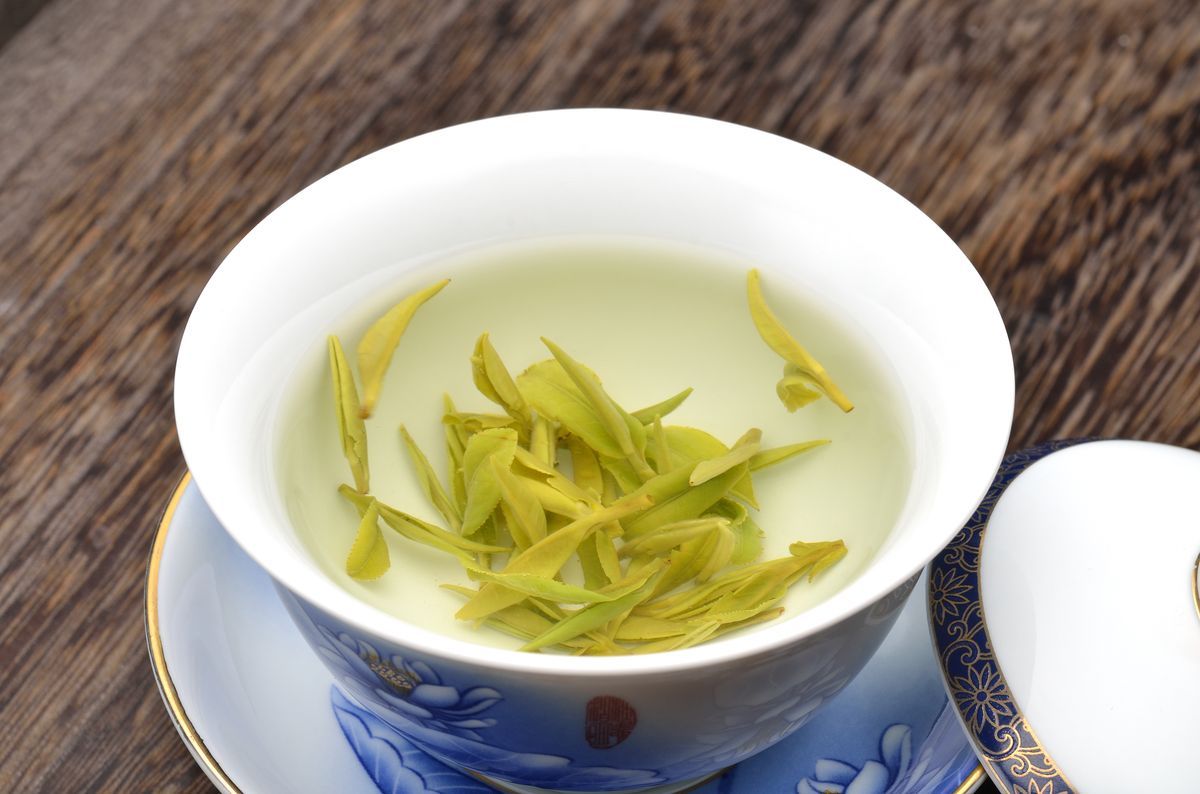
Green tea is the least oxidized of the six major tea categories. After harvest, the leaves are heated relatively early in processing to reduce enzymatic oxidation, then shaped and dried. This helps preserve fresher, brighter aromatic compounds and a more direct expression of the leaf.
Sources: 1, 2
What green tea usually tastes like
Green tea is often associated with:
- freshness
- light sweetness
- grassy or vegetal notes
- bean, chestnut, or steamed aromas
- a cleaner, lighter body
The liquor is usually pale yellow to yellow-green, depending on the tea and brewing style.
Why beginners sometimes struggle with green tea
Green tea often sounds beginner-friendly because it is fresh and approachable, but it is also one of the easiest categories to brew badly. If the water is too hot or the steep is too long, the tea can quickly turn bitter, thin, or harsh.
Sources: 4, 5
Beginner-friendly green tea examples
Some well-known Chinese green teas include:
- Longjing (Dragon Well)
- Biluochun
- Huangshan Maofeng
- Xinyang Maojian
If you like fresh, clean, delicate flavors, green tea is often a good place to begin.
White Tea
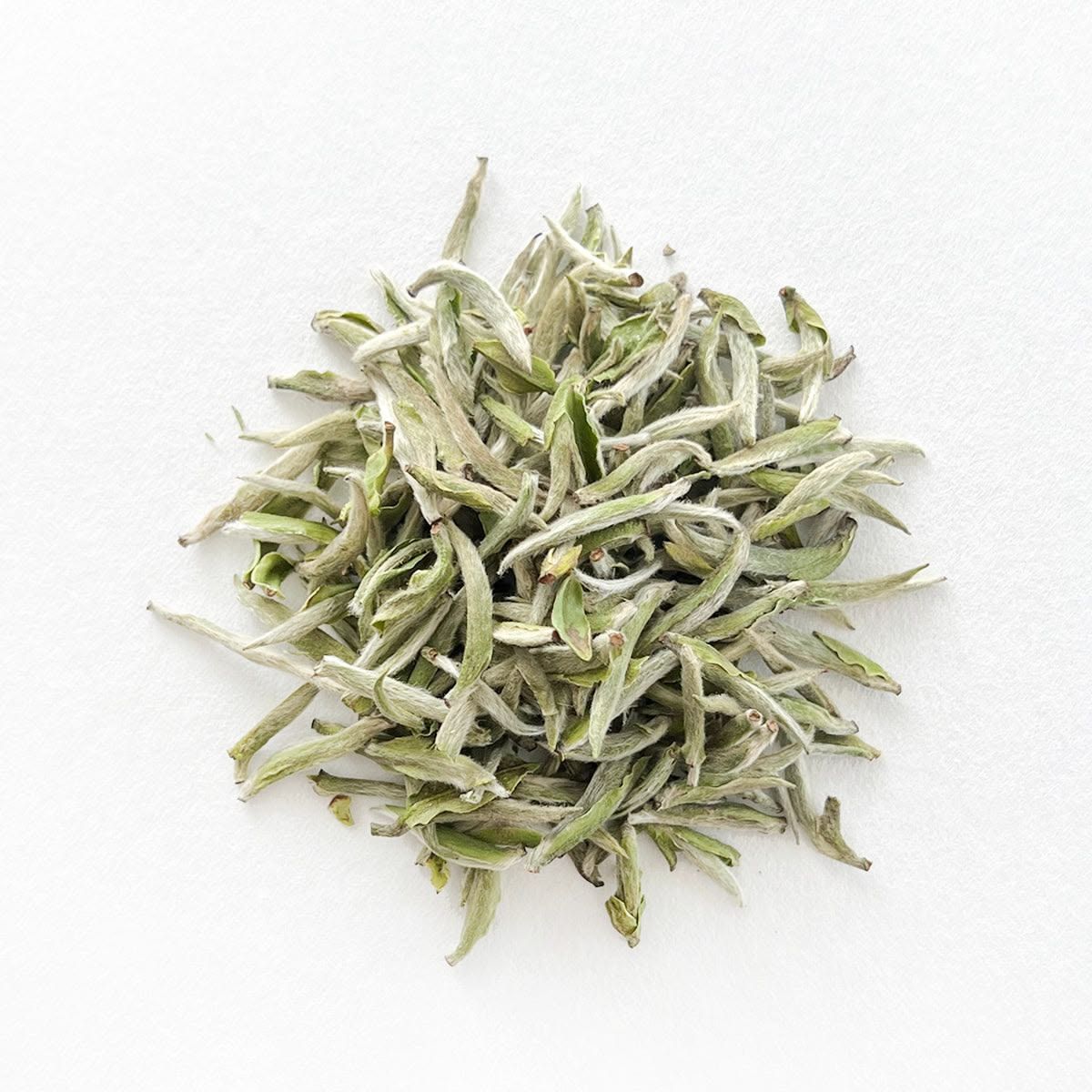
White tea is lightly processed and usually made with a relatively simple sequence of withering and drying. It is not handled as aggressively as many other tea categories, which helps preserve a gentler structure in the finished leaf.
Sources: 1, 8
What white tea usually tastes like
White tea is often softer and subtler than beginners expect. Depending on the grade and style, it may show:
- floral notes
- hay or dried grass notes
- honey-like sweetness
- light fruitiness
- a smooth, quiet texture
The liquor is usually pale gold to light apricot.
Why white tea can be misleading for beginners
White tea is often described as delicate, and that is true, but delicate does not mean weak. If you underbrew white tea, use too little leaf, or keep the water too cool, it can taste flat instead of elegant. Brewing conditions make a real difference.
Sources: 7, 8
Common white tea examples
Representative white teas include:
- Silver Needle
- White Peony
- Shou Mei
- Gong Mei
White tea is often a good choice for drinkers who prefer gentler, less aggressive flavors.
Yellow Tea
Yellow tea is one of the least familiar Chinese tea categories outside China. It is often processed somewhat similarly to green tea at first, but it includes an additional finishing step commonly described as sealed yellowing or menhuang, which softens the final result.
What yellow tea usually tastes like
Yellow tea often sits somewhere between green tea and white tea in drinking experience. It tends to feel:
- smoother than many green teas
- mellow and rounded
- softly sweet
- less sharp or grassy
- low in obvious astringency
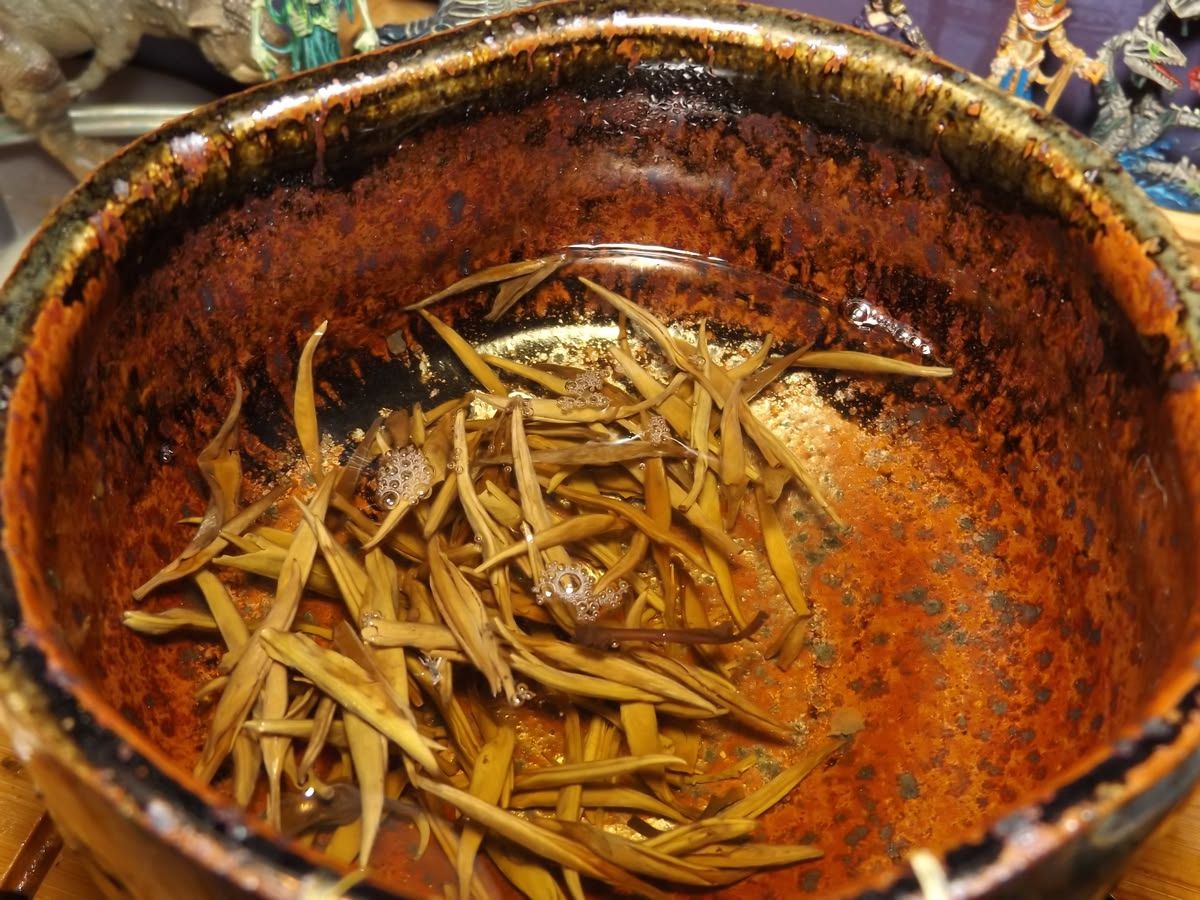
The liquor is usually bright yellow and clear.
Why yellow tea is considered a hidden category
Yellow tea is not as common as green, black, or oolong tea, so many beginners never try it early on. But for people who find green tea too sharp and black tea too heavy, yellow tea can be a surprisingly comfortable middle ground.
Common yellow tea examples
Examples often mentioned in Chinese tea discussions include:
- Junshan Yinzhen
- Huoshan Huangya
- Mengding Huangya
Because yellow tea is less widely studied and less widely sold internationally, it is best to describe it conservatively and avoid exaggerated health or cultural claims unless you are citing stronger yellow-tea-specific sources.
Oolong Tea
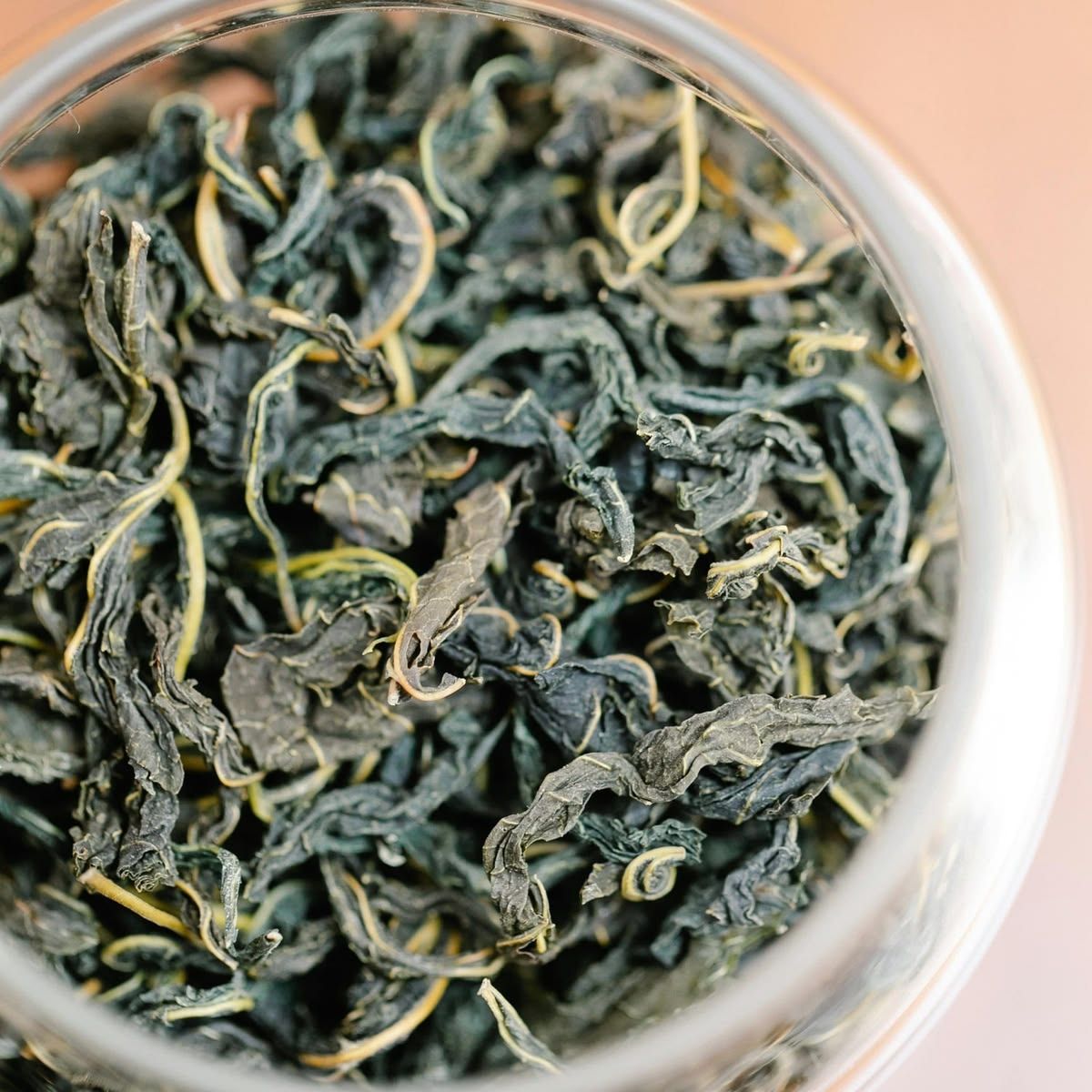
Oolong tea is one of the broadest and most diverse tea categories. It sits between green and black tea in the sense that it is partially oxidized, but that does not mean it tastes like a simple midpoint. Oolong includes a huge range of styles, from floral and bright to roasted and deep.
Sources: 2, 6
What makes oolong so different from one tea to another
Oolong flavor changes based on:
- oxidation level
- roasting level
- cultivar
- region
- shaping and finishing style
That is why one oolong can smell floral and creamy, while another tastes roasted, mineral, and dark.
Floral vs roasted oolong styles
Broadly speaking, beginners often notice two major directions:
- Floral oolongs: lighter, more aromatic, often greener in feel
- Roasted oolongs: fuller, darker, toastier, sometimes more mineral or baked-fruit-like
This is one reason oolong is exciting, but it also makes the category harder to summarize in one sentence.
Why oolong confuses beginners
Many beginners assume “oolong” is one flavor, but it is really a large family. A greener Tieguanyin and a roasted Wuyi rock tea can feel like two different categories if you do not yet understand the processing range.
Sources: 6, 7
Common oolong examples
Representative oolongs include:
- Tie Guan Yin
- Da Hong Pao
- Rou Gui
- Shui Xian
- Phoenix Dancong
- Dongding Oolong
If you enjoy aroma and complexity, oolong is often the most rewarding category to explore.
Black Tea
Black tea is more fully oxidized than green, white, yellow, or oolong tea. That deeper oxidation changes both the chemistry of the leaf and the sensory profile of the finished cup.
Sources: 1, 2, 9
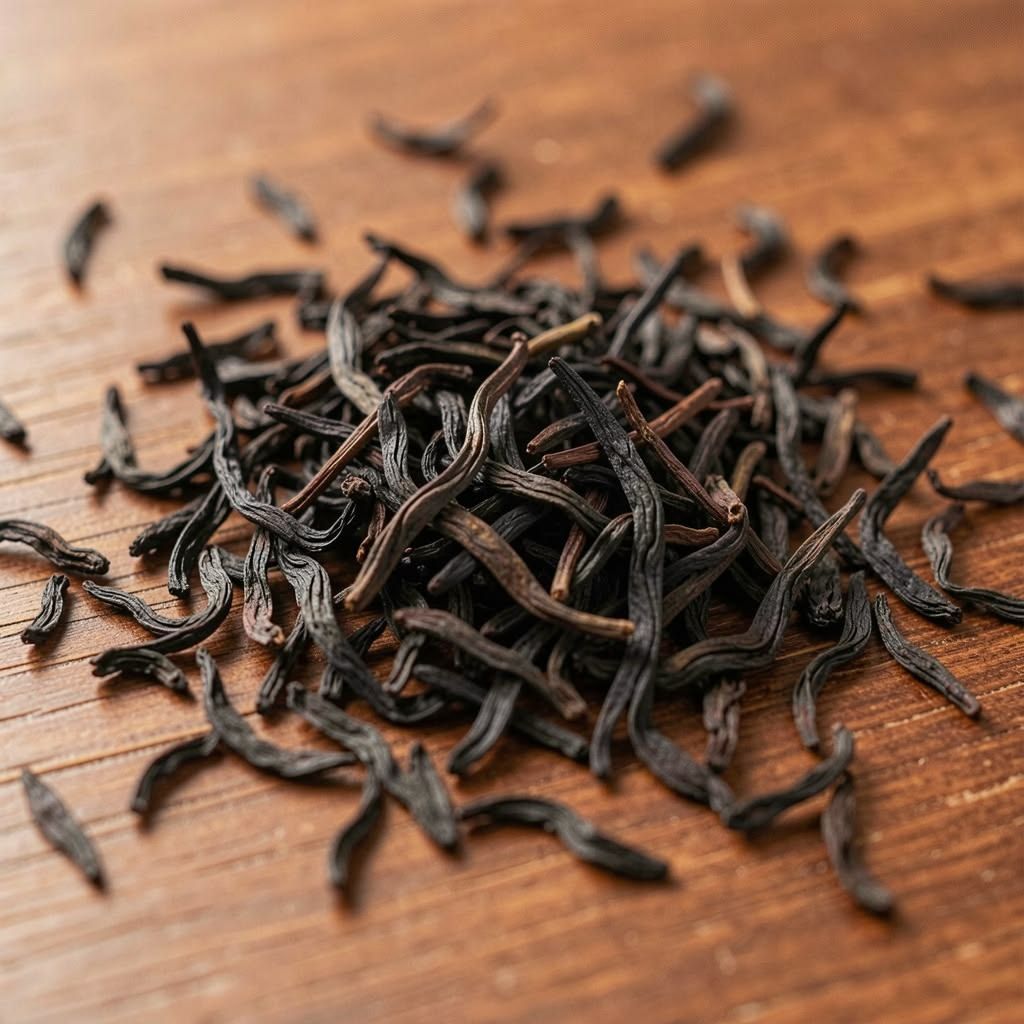
What black tea usually tastes like
Black tea often has:
- a fuller body
- a rounder texture
- more warmth
- honey, malt, fruit, cocoa, or sweet potato notes
- a deeper amber to reddish liquor
Compared with green tea, black tea usually feels more obvious and more immediately satisfying.
Why black tea feels easier for many beginners
Black tea is often more forgiving to brew. It usually tolerates hotter water and slightly longer steeping better than green tea, and it tends to be easier for people who are used to stronger beverages like coffee.
Source: 9
Common black tea examples
Examples include:
- Zhengshan Xiaozhong
- Jin Jun Mei
- Dianhong
- Keemun
If you want something warmer, sweeter, and easier to understand right away, black tea is often a strong beginner choice.
Dark Tea
Dark tea is the broad Chinese category that includes teas shaped by post-fermentation, often involving microbial transformation during storage or controlled processing. This is one of the reasons dark tea stands apart so clearly from fresher tea categories.
Sources: 2, 3
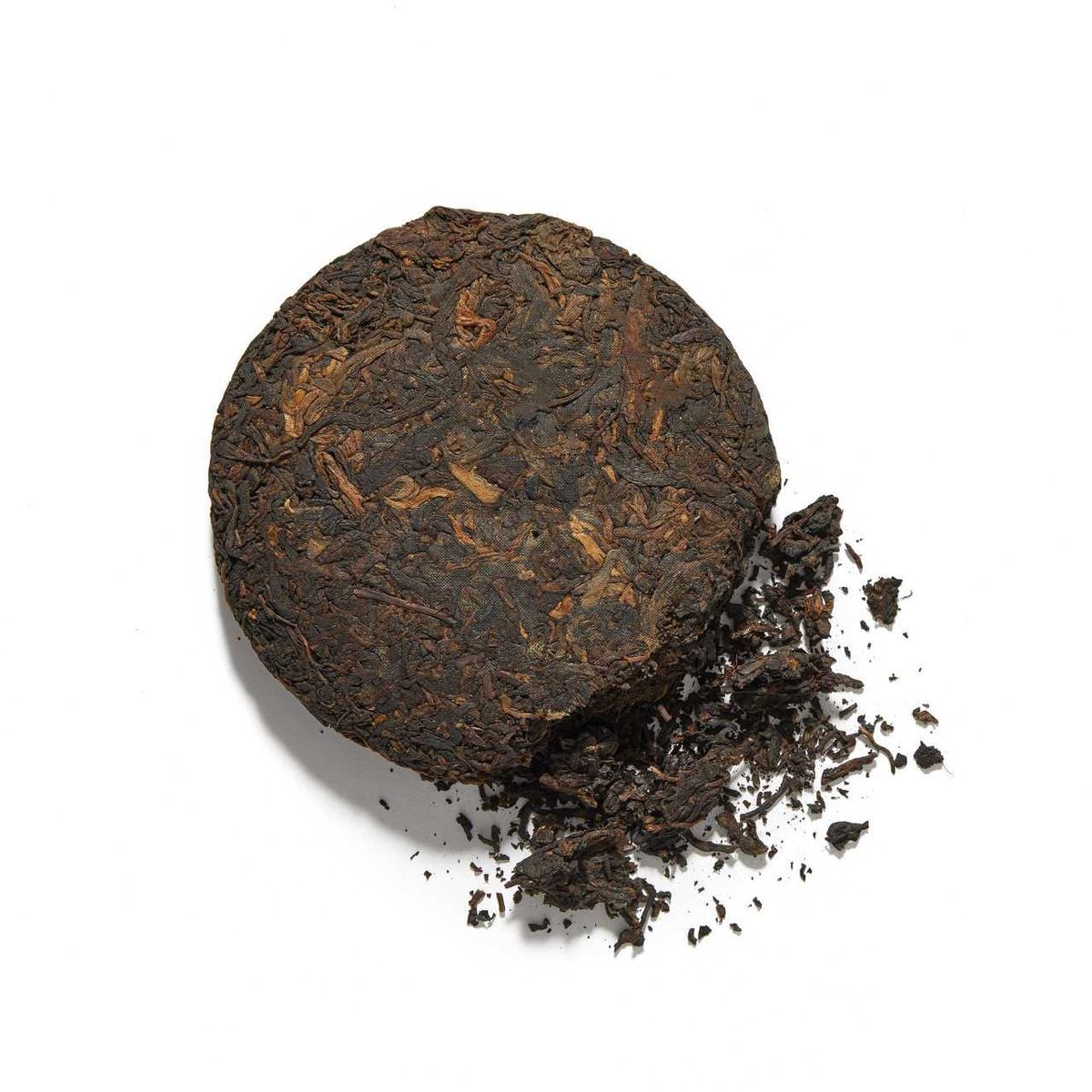
Why aging and storage matter
For dark tea, time and storage can meaningfully change flavor and aroma. In some subtypes, especially pu-erh, aging is not just a side effect. It is part of how the tea develops identity over time.
Source: 10
What dark tea usually tastes like
Dark tea often tastes:
- deeper
- smoother
- mellower
- earthier
- woodier
- less sharp than fresh tea categories
The liquor is often darker, from red-brown to deep reddish-brown, depending on the tea and brewing style.
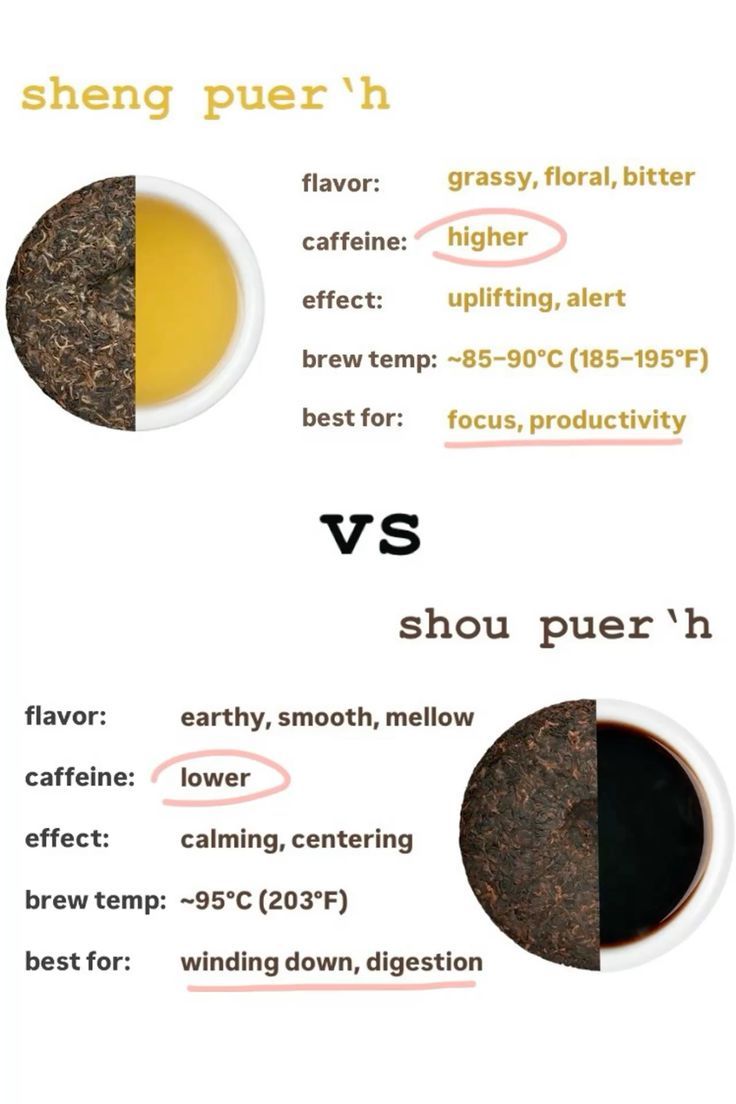
Sheng vs shou, in simple terms
For beginners, pu-erh is often the most familiar example of dark tea. A simple first distinction is:
- Sheng pu-erh: greener, brighter, more evolving over time
- Shou pu-erh: darker, smoother, more immediately mellow
Common dark tea examples
Representative examples include:
- Ripe pu-erh
- Anhua dark tea
- Liubao tea
- Ya’an dark tea
If you want mature, grounding, less delicate flavors, dark tea may appeal to you more than green or white tea.
Jasmine and Scented Teas
Jasmine tea is often misunderstood as its own tea category. In most cases, it is better understood as a scented tea.
Scented tea vs tea category
A scented tea begins with a true tea base, then takes on aroma through contact with flowers or other materials. That means jasmine tea is usually not a separate major tea category in the same sense as green tea or black tea.
Why jasmine tea is often based on green tea
Jasmine tea is commonly made on a green tea base because a lighter tea profile pairs well with floral scenting. That is why many jasmine teas feel familiar to green tea drinkers, even when the aroma is more pronounced.
What beginners should look for
A good jasmine tea should not smell like perfume alone. Beginners should look for a tea that still tastes like tea underneath the floral scent. The best versions balance fragrance with structure.
Which Tea Type Is Easiest for Beginners
This section is editorial guidance, based on brewing ease, flavor approachability, and how quickly a new drinker can understand the category.
Best for fresh flavor
If you like fresh, lighter, cleaner styles, start with:
- green tea
- white tea
Green tea gives more direct brightness. White tea often feels softer and gentler.
Best for stronger flavor
If you want a fuller and warmer cup, start with:
- black tea
- some dark teas
Black tea is usually the easier first step because it is more forgiving and more familiar to many new drinkers.
Best for aromatic complexity
If you want a wider range of aroma and flavor exploration, start with:
- oolong tea
Oolong is especially rewarding if you enjoy floral, roasted, fruity, or mineral styles, but it benefits from side-by-side tasting and a little patience.
A Simple One-Sentence Tea Selection Guide
If you like fresh and light flavors, start with green tea or white tea.
If you like complexity and strong aroma, start with oolong tea.
If you want something warmer, fuller, and easier to understand quickly, start with black tea.
If you are curious about older, deeper, smoother flavors, explore dark tea.
A Simple First-Purchase Guide
If you are buying Chinese tea for the first time, a practical order would be:
1. Black tea, if you want the safest and easiest first cup
2. White tea, if you prefer soft and gentle flavors
3. Green tea, if you like fresh and clean notes
4. Oolong tea, if you want more aroma and variety
5. Yellow tea, if you want a smoother middle ground
6. Dark tea, if you are ready for mature, earthy flavors
Brewing Tips for Beginners
- Green tea: use cooler water and shorter steeping
- White tea: use gentle water and enough leaf to keep it from tasting flat
- Yellow tea: brew like a softer green tea
- Oolong tea: try multiple short infusions
- Black tea: use hotter water and a slightly longer steep
- Dark tea: a quick rinse may help, depending on style
Final Thoughts
Chinese tea can look complicated because there are so many famous names, regions, and styles. But the broad map is simpler than it first appears. Start by understanding the six major tea categories, then learn how processing shapes the cup. Once you can recognize that pattern, the rest of the tea world becomes much easier to explore.
You do not need to memorize everything at once. You just need a few reference points and a willingness to taste carefully.
References
- Green Tea (*Camellia sinensis*): A Review of Its Phytochemistry, Pharmacology, and Toxicology
- New Phenolic Components and Chromatographic Profiles of Green and Fermented Teas
- Traditional tea processing techniques and associated social practices in China
- Comprehensive Investigation of the Effects of Brewing Conditions in Sample Preparation of Green Tea Infusions
- Effects of brewing conditions on the phytochemical composition, sensory qualities and antioxidant activity of green tea infusion: A study using response surface methodology
- Comparative Analysis of Volatile Compounds in Tieguanyin with Different Types Based on HS-SPME-GC-MS
- Optimization of brewing conditions for Tieguanyin oolong tea by quadratic orthogonal regression design
- Comparison of the main compounds in Fuding white tea infusions from various tea types
- Effect of brewing conditions on phytochemicals and sensory profiles of black tea infusions: A primary study on the effects of geraniol and β-ionone on taste perception of black tea infusions
- Characterization of Volatile Substances in Pu-erh Tea (Raw Tea) at Different Storage Times
- UHPLC analysis of major functional components in six types of Chinese teas: Constituent profile and origin consideration
- Yellow tea (*Camellia sinensis* L.), a promising Chinese tea: Processing, chemical constituents and health benefits
- Effect of Yellowing Duration on the Chemical Profile of Yellow Tea and the Associations with Sensory Traits
- The Effect of Temperature and Humidity on Yellow Tea Volatile Compounds during Yellowing Process