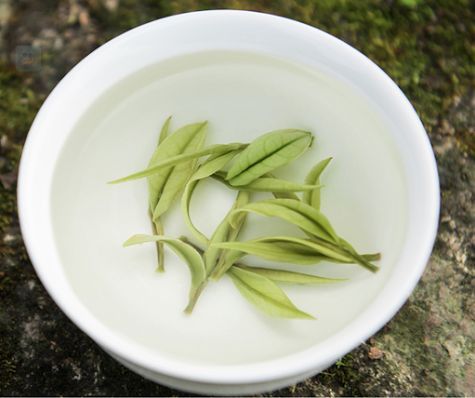
Longjing tea, also called Dragon Well tea, is one of the most famous Chinese green teas. It is admired for its flat leaves, fresh aroma, gentle sweetness, and smooth finish.
As a tea-space host, I get the same questions again and again:
- How do I choose Longjing tea?
- Why are the prices so different?
- What makes Shifeng so famous?
- Can I still drink last year’s Longjing?
This guide breaks those questions down in a practical way. If you are new to Dragon Well tea, start here.
Short Answer
Longjing is a pan-fired Chinese green tea from Zhejiang. It is valued for its flat leaves, fresh aroma, bright liquor, and sweet, smooth finish.
If you want the most famous style, look for West Lake Longjing. If you want better value for daily drinking, Qiantang and Yuezhou Longjing can be more realistic starting points.
For most beginners, the keys are simple:
- choose fresh tea from a reliable seller
- understand the harvest window
- brew it with cooler water, usually around 80 to 85°C
- store it carefully and drink it while it is still fresh
1. Longjing Tea Basics
Longjing tea is a non-oxidized green tea associated with Zhejiang, especially the Hangzhou area. Official Hangzhou sources describe West Lake Longjing tea processing as a representative green tea craft, and UNESCO recognizes traditional Chinese tea processing techniques and associated social practices as part of intangible cultural heritage [1][2].
Longjing at a Glance
| Feature | What it means |
|---|---|
| Tea type | Green tea |
| Oxidation | Non-oxidized |
| Main province | Zhejiang |
| Signature look | Flat, smooth leaves |
| Typical profile | Fresh, sweet, nutty, sometimes floral |
| Best drinking window | New-season drinking is preferred |
2. Harvest Timing: Pre-Qingming vs Pre-Guyu
One of the biggest price drivers in Longjing is when the tea was picked.
Main Harvest Terms
| Harvest term | Timing | Typical character | Market position |
|---|---|---|---|
Pre-Qingming (Mingqian) |
Before Qingming Festival | Tender, fragrant, lighter, more delicate | Most prestigious and often most expensive |
Pre-Guyu (Yuqian) |
Before Grain Rain | Slightly fuller leaf, stronger body, better value | Popular balance of quality and price |
What Beginners Should Know
| If you choose... | Expect... |
|---|---|
| Pre-Qingming tea | More delicacy, smaller supply, higher price |
| Pre-Guyu tea | Better value, more body, easier daily drinking |
A common beginner mistake is assuming the most expensive Mingqian tea is automatically the best personal choice. In reality, many drinkers prefer the fuller taste and lower price of Yuqian tea.
3. Picking Standard Matters
Longjing is typically made from fine, early spring shoots, often described as one bud with one leaf or one bud with two very young leaves.
Picking Quality Checklist
| Good sign | Why it matters |
|---|---|
| Tender, even shoots | Better visual grade and more uniform brewing |
| Clean material | Fewer coarse leaves and less debris |
| Early spring freshness | Usually linked to a livelier cup |
The tea does not need to be the earliest possible leaf to be enjoyable. But if the raw material is too mature, Longjing loses much of its softness and elegance.
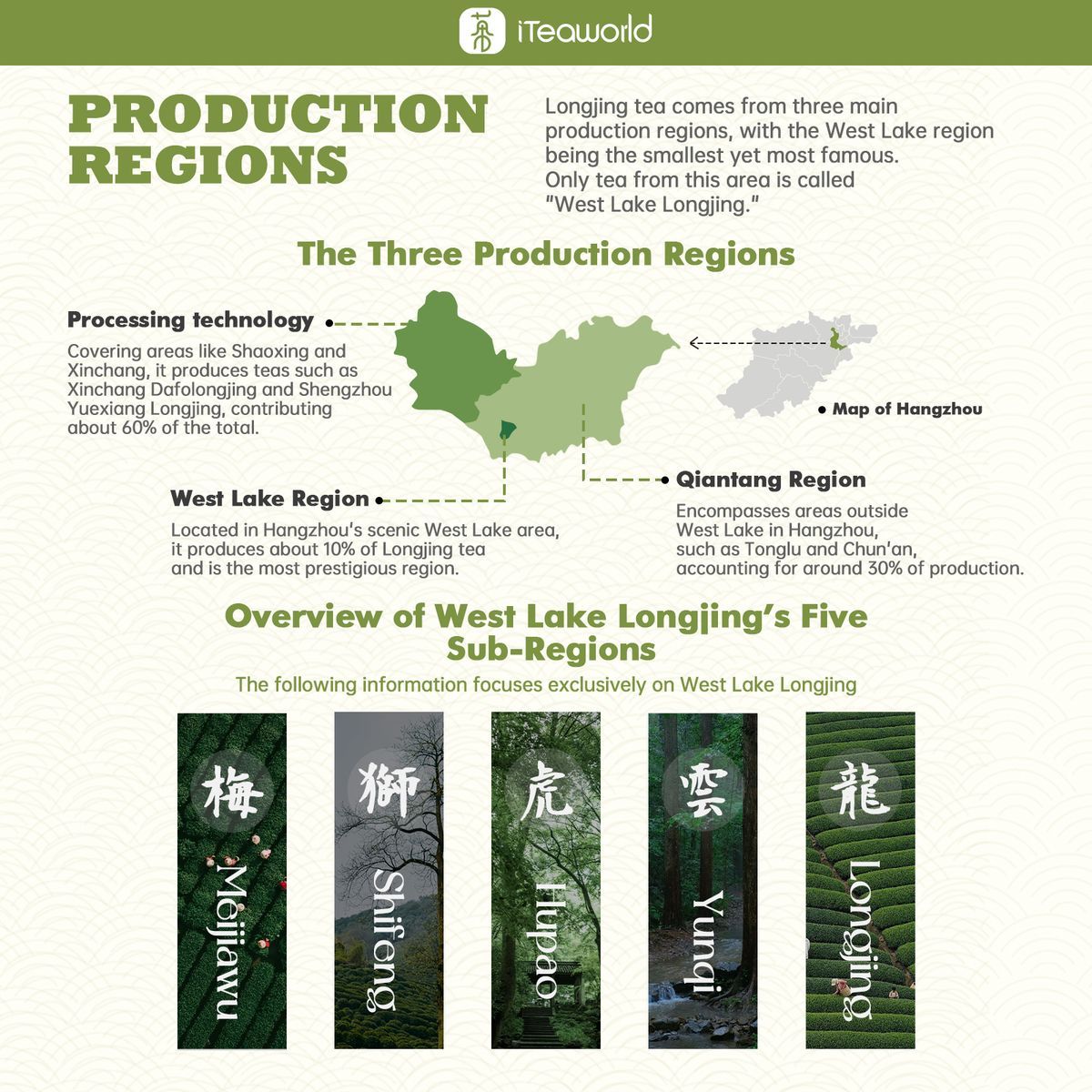
4. The Three Main Longjing Production Areas
Many buyers ask: what is the real difference between West Lake, Qiantang, and Yuezhou Longjing?
A practical answer is this: origin changes both prestige and style.
China’s official intellectual property information describes Longjing tea as a geographical indication product associated with production areas including West Lake, Qiantang, and Yuezhou [3]. Product specifications for Longjing tea also distinguish these production areas and define quality features such as appearance, aroma, liquor color, taste, and infused leaf.
Region Overview
| Region | Main area | Typical style | General price level |
|---|---|---|---|
| West Lake Longjing | West Lake scenic area and nearby core zone | Finer, more layered, often softer and more elegant | Highest |
| Qiantang Longjing | Greater Hangzhou areas such as Xiaoshan, Yuhang, Fuyang, Lin'an | Fresh, nutty, approachable | Mid-range |
| Yuezhou Longjing | Shaoxing, Xinchang, Shengzhou and nearby areas | More aromatic, often fuller and sturdier | Lower to mid-range |
Simple Comparison
| Region | Personality analogy |
|---|---|
| West Lake | The most refined and famous |
| Qiantang | The practical everyday favorite |
| Yuezhou | The value-minded broader category |
None of these areas is automatically “bad.” They simply serve different budgets and expectations.
5. Why Shifeng Is So Famous
When people talk about legendary Longjing, they often end up talking about Shifeng.
Shifeng is widely treated as one of the most prestigious parts of the West Lake Longjing area. Its reputation comes from a mix of place, history, and market identity.
Why Shifeng Stands Out
| Factor | Why it matters |
|---|---|
| Core location | It sits within the most famous Longjing zone |
| Local environment | Mountain terrain, mist, and filtered light are part of its reputation |
| Historical status | Strong long-term cultural prestige |
| Scarcity | Limited true-origin supply pushes prices upward |
What the Prestige Means in Practice
For a beginner, “Shifeng” should mean higher scrutiny, not blind trust.
| Good beginner attitude | Why |
|---|---|
| Treat Shifeng claims carefully | High prestige attracts overuse of the name |
| Buy from trustworthy sellers | Origin stories are easy to exaggerate |
| Compare cup quality, not only labels | Taste still matters more than mythology |
6. Why Longjing Prices Vary So Much
One of the most common questions is: why can Longjing cost a few hundred yuan per jin in one place and tens of thousands in another?
The short answer is scarcity plus market signaling.
Main Price Drivers
| Factor | Lower-priced tea | Higher-priced tea |
|---|---|---|
| Origin | Broader Yuezhou or outer Qiantang | West Lake core zones, especially prestige subareas |
| Harvest time | Later spring | Earliest spring picking |
| Picking standard | Larger, more mature leaves | Finer early shoots |
| Processing | More machine-assisted | More labor-intensive hand finishing |
| Yield | Larger | Smaller |
| Seller positioning | Generic packaging or bulk | Famous grower, boutique brand, strong provenance story |
Practical Price Logic
| Tea type | Typical buyer expectation |
|---|---|
| Budget Longjing-style green tea | Everyday drinking |
| Mid-range Qiantang or Yuezhou Longjing | Best value for many beginners |
| High-end West Lake Longjing | Prestige, terroir, gifting, collection value |
| Top Shifeng claims | High risk of overpaying without trusted sourcing |
For most readers, the best buying zone is solid mid-range tea from a transparent seller, not the most elite label.
7. How to Choose Good Longjing Tea
You do not need to be a professional taster to avoid weak Longjing. Start with five checks.
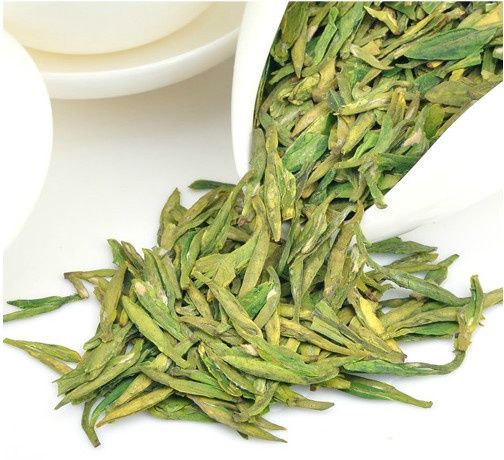
1. Look at the Dry Leaf
| What to look for | Good sign |
|---|---|
| Shape | Flat, smooth, straight-ish leaves |
| Color | Yellow-green to soft green, depending on style |
| Uniformity | Reasonably even size |
| Broken pieces | Not excessive |
2. Smell the Dry Leaf
| Aroma type | What it usually means |
|---|---|
| Fresh nutty or bean-like aroma | Good sign |
| Clean floral lift | Good sign |
| Stale, grassy, dull, or mixed smell | Warning sign |
3. Check the Liquor
| What to check | Good sign |
|---|---|
| Color | Bright pale green to yellow-green |
| Clarity | Clear, not muddy |
| Brightness | Lively rather than flat |
4. Taste the Infusion
| Positive sign | Warning sign |
|---|---|
| Fresh, smooth, lightly sweet | Harsh bitterness |
| Pleasant aftertaste | Flat or stale finish |
| Comfortable throat feel | Rough, drying, tiring texture |
5. Look at the Infused Leaf
| Good sign | Warning sign |
|---|---|
| Tender, intact, evenly colored leaf | Dark, broken, rough, or lifeless leaf |
8. How to Brew Longjing Without Ruining It
Many people buy decent Longjing and then brew it too hot.
Recent research specifically on Longjing found that brewing temperature strongly affects both sensory quality and the extraction of key compounds [4]. More general green tea research also supports that brewing temperature and time strongly influence catechin extraction, bitterness, and astringency [5].
Best Beginner Setup
| Variable | Recommendation |
|---|---|
| Vessel | Clear glass or white porcelain gaiwan |
| Water temperature | 80 to 85°C |
| Tea-to-water ratio | About 1:50 |
| Example | 3 g tea for 150 ml water |
Recommended “Middle-Drop” Method
- Add about one-third of the water to the cup first.
- Add the tea leaves.
- Gently swirl to wet the leaves and smell the aroma.
- Add the rest of the water until the cup is around 70% full.
Brewing Guide
| Infusion | Time |
|---|---|
| First brew | 1 to 2 minutes |
| Second brew | 2 to 3 minutes |
| Third brew | Slightly longer |
| Total useful infusions | Often 3 to 4 |
Common Brewing Mistakes
| Mistake | What happens |
|---|---|
| Using boiling water | More bitterness, more cooked taste |
| Using too much tea | Harsh, heavy cup |
| Brewing too long | Dull, rough texture |
| Using stale tea | Flat aroma no matter what you do |
9. How to Store Longjing Tea
Longjing is prized for freshness, so storage matters a lot.
Main Enemies of Longjing
| Storage risk | Why it matters |
|---|---|
| Light | Damages freshness |
| Air | Speeds aroma loss and oxidation |
| Odor | Tea absorbs surrounding smells easily |
| Heat | Accelerates aging |
Best Storage Methods
| Situation | Recommendation |
|---|---|
| Short-term drinking | Seal tightly and refrigerate at about 0 to 5°C |
| Longer storage | Freeze sealed tea at about -18°C |
| Packaging | Foil bag plus airtight container works well |
Important Storage Rules
- Keep it tightly sealed.
- Let chilled or frozen tea return to room temperature before opening the package.
- Do not store it near seafood, spices, or strong-smelling foods.
10. Can You Still Drink Last Year’s Longjing?
Short answer: yes, but it usually will not taste as good.
Longjing is a green tea, and green tea is generally at its best when fresh. Research on Longjing aroma has shown that aging changes the volatile profile and weakens the vivid fresh character people seek in new-season tea [6].
What Usually Happens With Older Longjing
| If the tea was stored well | If the tea was stored poorly |
|---|---|
| It may still be drinkable | It may smell stale, damp, or off |
| Freshness and aroma fade | Flavor may become flat or unpleasant |
| The cup feels less lively | Quality drops sharply |
What to Do With Last Year’s Tea
| Option | When it makes sense |
|---|---|
| Drink it | If it is clean, dry, and not off-smelling |
| Cook with it | Good use for older tea |
| Replace it | Best if you want the classic spring freshness |
If your goal is the signature “spring” feeling of Longjing, fresher tea is better.
11. Who Is Longjing Tea Best For?
Longjing is often suitable for many tea drinkers, but it still contains caffeine. In traditional Chinese tea language, green tea is also often described as having a lighter or cooler character, but this should be understood as cultural tasting language, not medical advice.
Often a Good Fit For
| Person | Why |
|---|---|
| Office workers | Fresh taste and moderate stimulation |
| People who enjoy lighter tea | Clean, bright profile |
| Readers exploring Chinese green tea | Classic starting point |
| Buyers who value seasonal tea | Strong spring identity |
Use More Caution If
| Situation | Why |
|---|---|
| Drinking on an empty stomach | Can feel uncomfortable for some people |
| Strong caffeine sensitivity | Green tea still contains caffeine |
| Pregnancy or medical concerns | Better to ask a qualified health professional |
| Severe sleep issues | Avoid later-day intake if sensitive |
The National Center for Complementary and Integrative Health notes that tea contains caffeine and that people should be cautious about relying on tea products for health effects without considering individual context and safety [7].
12. Best Buying Advice for Beginners
If you are buying Longjing for the first time, keep it simple.
Beginner Buying Strategy
| Goal | Best choice |
|---|---|
| Try authentic style without overspending | Mid-range Qiantang or Yuezhou Longjing |
| Explore prestige | Buy small amounts of trusted West Lake tea |
| Learn the category | Compare two origins side by side |
| Maximize freshness | Buy in-season and store carefully |
What Not to Do
| Mistake | Better alternative |
|---|---|
| Buying only by the most famous name | Buy by seller trust and cup quality |
| Assuming the highest price is best | Compare freshness, aroma, and balance |
| Buying too much at once | Start with small amounts |
FAQ
What Is the Difference Between West Lake Longjing and Qiantang Longjing?
West Lake Longjing is the most famous and expensive core-origin category. Qiantang Longjing is broader, usually more affordable, and often a better daily-drinking choice for beginners.
Is Pre-Qingming Longjing Always Better?
Not always. It is usually more delicate and prestigious, but many drinkers prefer the fuller body and better value of pre-Guyu tea.
Why Is Shifeng Longjing So Expensive?
Its reputation comes from core origin status, limited supply, historical prestige, and strong market demand.
Can I Brew Longjing With Boiling Water?
You can, but it often makes the tea harsher and less elegant. Around 80 to 85°C is usually a safer beginner range.
Is Last Year’s Longjing Still Drinkable?
Yes, if it was stored well and has no off smell or moisture damage. But it usually loses much of the freshness that makes Longjing special.
Final Takeaway
Longjing is not difficult to enjoy once you understand a few basics:
- origin affects style and price
- harvest timing matters
- fresher tea is usually better
- brewing temperature matters a lot
- trustworthy sourcing matters more than prestige language
If you are just starting, do not chase the most legendary label first. Buy a fresh, well-made tea from a reliable seller, brew it gently, and let your palate learn what kind of Longjing you actually like.
References
- Hangzhou Municipal Bureau of Culture, Radio, TV and Tourism. Green Tea Processing Techniques (West Lake Longjing Tea).
- UNESCO Intangible Cultural Heritage. Traditional tea processing techniques and associated social practices in China.
- UK Government. Product Specification on Longjing Cha.
- Li et al. Elucidating the effect of brewing temperature on the sensory quality of Longjing tea based on multi-scale molecular sensory science.
- Zielinski et al. Comprehensive Investigation of the Effects of Brewing Conditions in Sample Preparation of Green Tea Infusions.
- Wang et al. Temporal changes in aroma release of Longjing tea infusion: interaction of volatile and nonvolatile tea components and formation of 2-butyl-2-octenal upon aging.
- National Center for Complementary and Integrative Health. Tea.