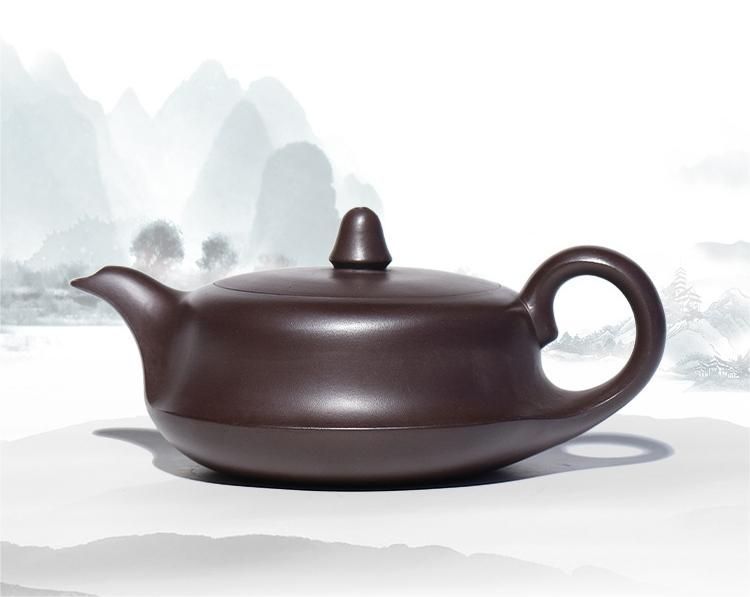
Buying a first zisha teapot can feel harder than buying tea.
Beginners are quickly told to care about clay names, minerality, handmade status, famous artists, vintage stock, and highly specific shape traditions. Some of that matters later. Most of it does not matter first.
Your first zisha teapot should do four simple things well:
- feel comfortable in your hand
- pour cleanly
- suit the way you actually brew tea
- come from a seller you trust
This guide focuses on those practical decisions.
Short Answer
If you are buying your first zisha teapot, choose:
- a simple classic shape
- a small-to-medium size
- a clean, well-fitting lid
- a reliable pour
- a reputable seller
- and usability over hype
For most beginners, a pot around 150 to 220 ml in a straightforward shape is a safer starting point than chasing rare clay or collector language.
What a Zisha Teapot Is
Zisha teapots are traditionally associated with Yixing, Jiangsu, where purple clay pottery has a long craft history. Official Wuxi sources describe Yixing purple clay pottery as a traditional ceramic craft from Dingshu, Yixing, using local purple, red, and green clays, and note its importance in Chinese tea culture [1].
Museum sources also show the historical importance of Yixing teapots. The Met describes an early Yixing ware teapot associated with Shi Dabin, while the V&A notes that early teapots were made from purple zisha clay from Yixing and porcelain [4][5].
For a beginner, the most useful thing to know is this:
A zisha teapot is not automatically better than every other brewing vessel. It is simply one kind of tea tool, and it works best when matched to your brewing style and tea habits.
What Matters Most for a First Zisha Teapot
| Priority | Why it matters |
|---|---|
| Comfortable grip | You will actually want to use it often |
| Clean pour | A bad pour becomes annoying every single session |
| Appropriate size | Size affects tea strength, usability, and flexibility |
| Simple shape | Easier to clean and less risky for a first buy |
| Trusted seller | More important than marketing about rare clay |
| Food-safe confidence | Always more important than collector mythology |
Step 1: Start With Size, Not Clay
Many beginners start by asking, “Which clay should I buy?”
The better first question is, “How much tea do I actually brew?”
Recommended Beginner Size Ranges
| Size | Best for | Beginner verdict |
|---|---|---|
| Under 120 ml | Solo gongfu sessions, experienced users | Too small for many beginners |
| 150 to 180 ml | Solo use or 1 to 2 people | Excellent starting range |
| 180 to 220 ml | Daily home use, flexible range | Very beginner-friendly |
| 250 ml and above | Group use or long sessions | Less flexible for a first pot |
Why Size Matters
| If the pot is too small... | If the pot is too large... |
|---|---|
| Harder to control if you are new | Uses more tea than many beginners expect |
| Feels less forgiving | Can make solo sessions awkward |
| Less flexible across situations | Less efficient for quick gongfu brewing |
For most people, 150 to 220 ml is the safest starting range.
Step 2: Choose a Simple Shape First
For a first zisha teapot, shape matters more than many new buyers expect.
A good beginner shape should be:
- easy to grip
- easy to clean
- stable on the table
- not overly delicate
- practical for frequent use
Beginner-Friendly Shape Priorities
| Shape feature | Why it helps |
|---|---|
| Rounded or balanced body | Usually easier to hold |
| Moderate opening | Easier to add and remove leaves |
| Clean spout line | Better chance of a smooth pour |
| Fewer sharp transitions | Easier maintenance |
Safer First-Shape Choices
| Shape | Why it works for beginners |
|---|---|
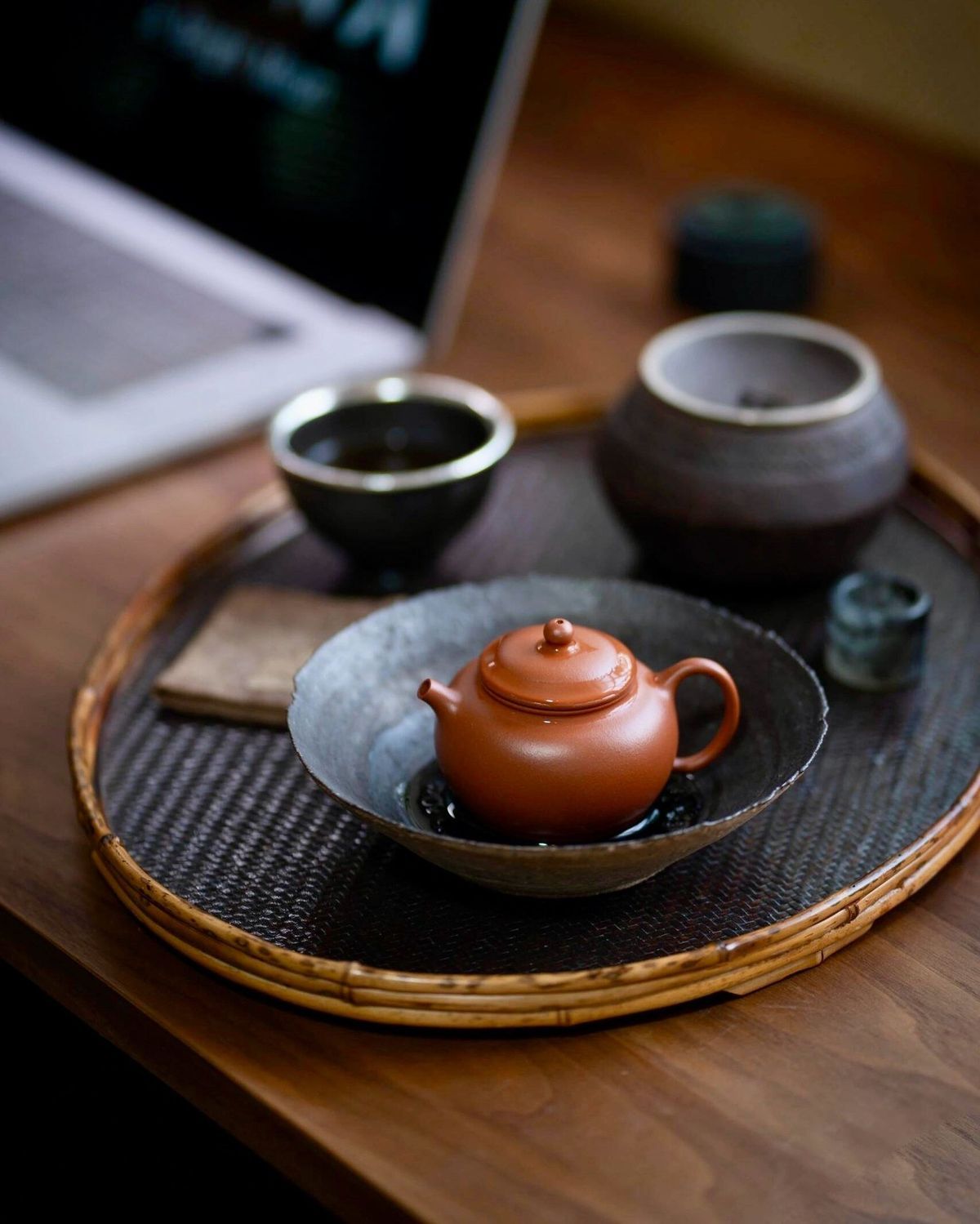
| Xishi | Rounded, balanced, easy to hold |
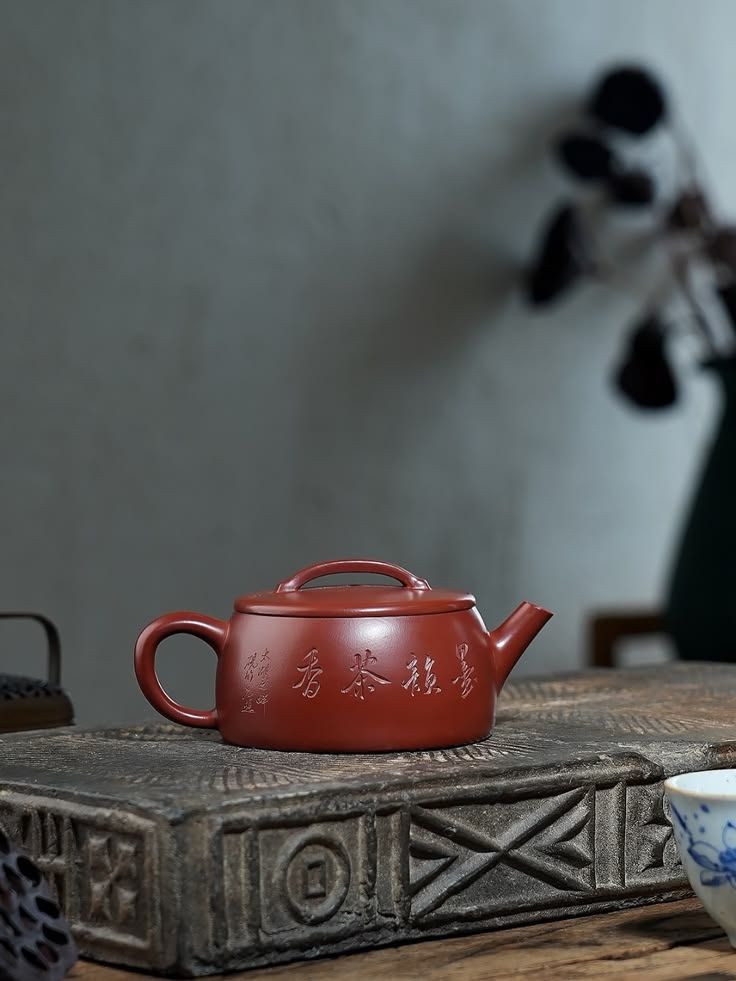
| Hanwa | Wider opening, easier cleanup |
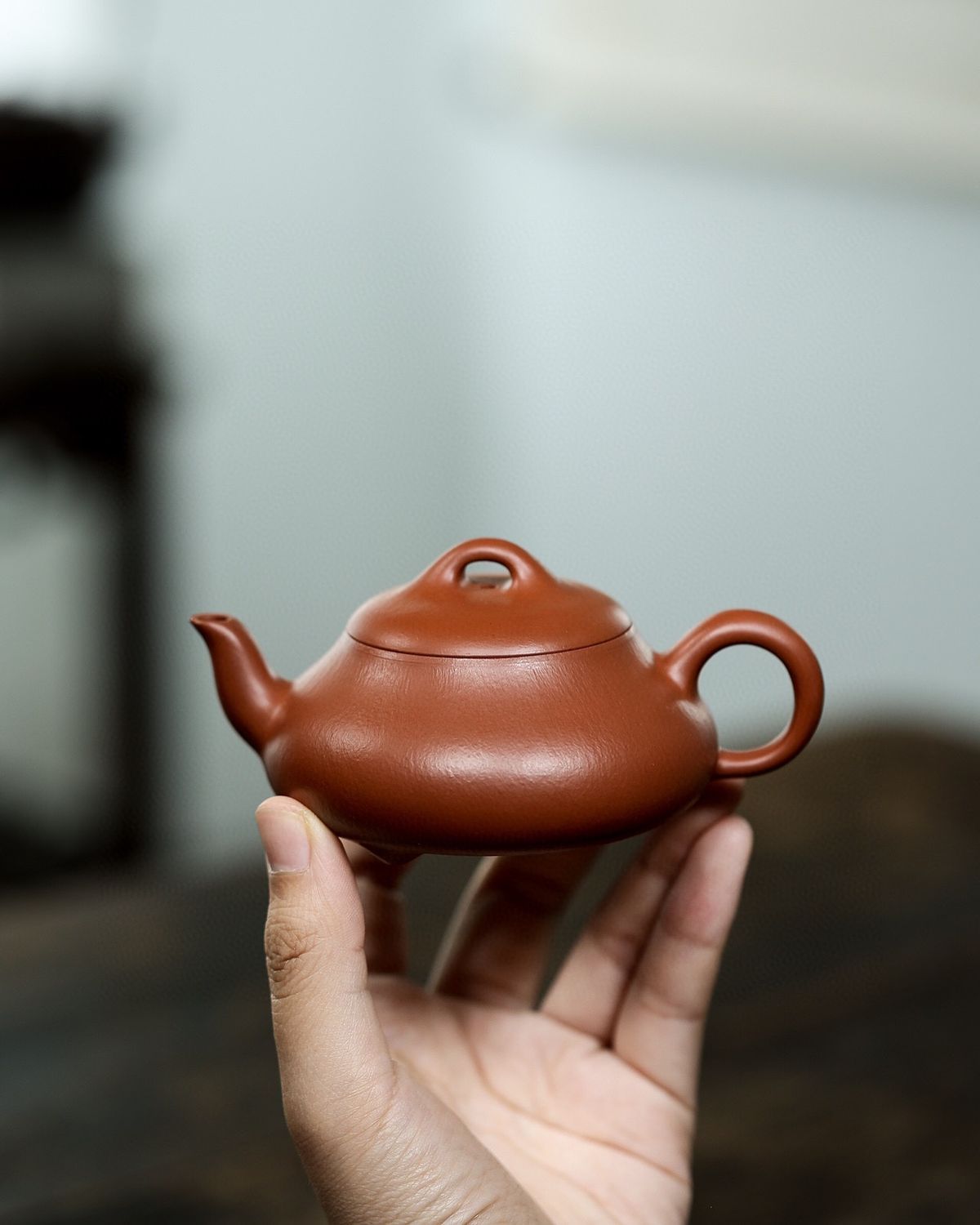
| Simple Shipiao | Good if you want a firmer, faster pour |
Step 3: Check the Pour Before You Care About the Story
A teapot can look beautiful and still be frustrating to use.
For beginners, the pour is one of the most practical quality checks.
What a Good Pour Feels Like
| Pour quality | What you want |
|---|---|
| Flow speed | Smooth and consistent |
| Cut-off | Stops cleanly without heavy dripping |
| Direction | Predictable stream |
| Control | Easy to decant without shaking your wrist awkwardly |
What to Avoid
| Warning sign | Why it is a problem |
|---|---|
| Weak, uneven stream | Harder to control brewing |
| Heavy dripping after pouring | Messy and annoying |
| Lid rattles badly during pouring | Can suggest weaker fit or finish |
| Spout feels misaligned | Affects both look and use |
If a seller shows video, watch the pour. If they only show still photos and make grand claims about “rare clay,” that is not enough.
Step 4: Check Lid Fit and Basic Construction
The lid does not need to be mythically perfect. It just needs to fit well enough for daily use.
What to Look For
| Feature | Good beginner standard |
|---|---|
| Lid fit | Sits neatly and does not wobble excessively |
| Handle alignment | Feels centered and comfortable |
| Spout alignment | Looks visually balanced with the handle |
| Pot balance | Feels stable when full |
Why This Matters
Small construction flaws are easier to tolerate in a display piece than in a daily teapot. Your first pot should be chosen for repeat use, not just admiration.
Step 5: Choose Based on Tea Habits
A first zisha teapot should fit the tea you drink most often.
Practical Tea Matching
This section is editorial guidance based on common tea practice, not a strict rule.
| Tea habit | Good first pot direction |
|---|---|
| Mostly oolong | Small-to-medium classic zisha shape |
| Mostly black tea | Medium rounded pot can work well |
| Mostly pu-erh | Faster-pouring or more open practical shapes often work |
| Many different tea types | Consider starting with a gaiwan instead |
| Mostly green tea | A gaiwan or glass vessel may be easier than zisha |
A gaiwan is often the better first all-purpose tool.
Step 6: Do Not Let Clay Hype Lead the Purchase
Beginners often get pulled into clay names before they understand whether the pot itself is usable.
What Clay Hype Sounds Like
- “rare old stock only”
- “secret mine material”
- “collector-grade clay”
- “artist-level quality at beginner price”
Some of these claims may be real. Many are impossible for a beginner to verify.
What Matters More Than Clay Marketing
| More important than hype | Why |
|---|---|
| Trustworthy seller | Reduces risk immediately |
| Clear photos and pour video | Shows real usability |
| Simple craftsmanship | Easier to judge honestly |
| Comfortable size and shape | Affects every session |
| Realistic pricing | Extreme bargains are often a warning sign |
For a first pot, choose clarity over mystique.
Step 7: How to Clean and Care for a Zisha Teapot
A first zisha teapot should be easy enough to maintain that you keep using it regularly. Good care is simple and does not require elaborate rituals.
Basic Cleaning After Each Session
| Step | What to do | Why it helps |
|---|---|---|
| Empty the leaves | Remove spent leaves soon after brewing | Prevents stale odor and residue buildup |
| Rinse with warm water | Flush the pot, lid, and spout gently | Removes tea residue without harsh cleaners |
| Leave it open to dry | Dry the pot with the lid off or slightly ajar | Reduces trapped moisture |
| Wipe the outside if needed | Use a clean soft cloth | Keeps the surface tidy without overhandling |
What Not to Do
| Avoid | Why |
|---|---|
| Dish soap or scented cleaners | Can leave residue or unwanted smell |
| Scrubbing with abrasive tools | Can damage the surface or finish |
| Leaving wet leaves in the pot overnight | Encourages odor and residue buildup |
| Storing the pot closed while damp | Can trap moisture inside |
Daily Care Guidance
| Habit | Good practice |
|---|---|
| Use frequency | Regular use is better than obsessive polishing |
| Tea dedication | Many drinkers later dedicate one pot to one tea family, but beginners do not need to do this immediately |
| Drying | Let the pot air dry fully before storing |
| Handling | Hold it carefully and avoid knocking the lid, spout, or handle |
Should You Season a Zisha Teapot?
Many tea drinkers like to rinse and warm a new pot before first use, then start brewing tea with it normally. You do not need complicated seasoning routines to begin. A clean rinse, a check for normal use, and regular brewing are enough for most beginners.
Step 8: Buy Food-Safe and Buy Conservatively
When buying any teaware, especially from unfamiliar sellers, safety matters.
FDA consumer guidance on food-contact materials and lead-glazed traditional pottery is a useful general reminder: functional teaware should be intended for food or drink use, and decorative or unclear ceramic pieces should be treated cautiously [2][3].
Sensible Beginner Safety Checklist
| Question | Why it matters |
|---|---|
| Is this actually sold as functional teaware? | Decorative pottery is not the same as food-safe teaware |
| Is the seller clear about materials? | Transparency is a good sign |
| Is the source reputable? | Reduces risk of poor-quality finishes or misleading claims |
| Is the pot meant for brewing, not just display? | Practical use should be explicit |
What a First Budget Should Look Like
There is no universal price point, especially because international retail markup varies a lot. But as a beginner, you do not need to start with a collector-grade pot.
Better Beginner Budget Logic
| Budget approach | Better choice |
|---|---|
| Spend everything on one prestige story | Risky |
| Buy a simple, usable pot from a trusted seller | Better |
| Compare a few practical options first | Best |
Your first zisha teapot should teach you what you like. It does not need to prove status.
Beginner Buying Checklist
Use this checklist before buying:
| Question | Yes / No |
|---|---|
| Is the size right for how I brew? | |
| Is the shape comfortable for my hand? | |
| Does the pour look clean and controlled? | |
| Does the lid fit reasonably well? | |
| Is the opening easy enough to clean? | |
| Do I trust the seller more than the marketing story? | |
| Am I buying this to use, not just admire? |
If you cannot answer “yes” to most of these, keep looking.
Best First-Pot Profiles
| If you are this kind of beginner... | Best starting point |
|---|---|
| I want the easiest daily-use pot | Xishi, 180 to 200 ml |
| I want easier cleaning | Hanwa, moderate size |
| I like quicker gongfu pouring | Shipiao, small to medium |
| I am not sure what tea I will focus on | Start with a gaiwan first |
| I mostly want to learn by use | Simple classic zisha, not rare-clay hype |
FAQ
What Is the Best Size for a First Zisha Teapot?
For most beginners, 150 to 220 ml is the safest and most flexible range.
Should My First Zisha Teapot Be Fully Handmade?
Not necessarily. For a first pot, overall usability, pour, fit, and seller trust matter more than whether a listing emphasizes full handmade prestige language.
Is Expensive Clay Worth It for Beginners?
Usually no. Beginners benefit more from a practical, well-made, trustworthy pot than from hard-to-verify claims about rare clay.
Can I Use One Zisha Teapot for Many Teas?
You can, especially as a beginner. Many tea drinkers later dedicate pots by tea style, but that does not need to be your first priority.
How Do I Clean a Zisha Teapot After Use?
Empty the leaves, rinse the pot with warm water, and let it dry fully with the lid off or slightly open. Avoid soap, abrasive scrubbing, and storing the pot while damp.
Should I Buy a Zisha Teapot Before Buying a Gaiwan?
If you want the most flexible learning tool, a gaiwan is often the better first purchase. If you already know you enjoy oolong or gongfu-style brewing, a zisha teapot can still be a good early choice.
Final Takeaway
Choosing your first zisha teapot is not about finding the most famous clay or the most prestigious story.
It is about choosing a pot you will actually use.
Start with:
- practical size
- simple shape
- reliable pour
- easy care
- trusted seller
If a teapot helps you brew more calmly, more often, and with more confidence, it is already doing its job well.
References
- Wuxi Municipal People’s Government. Yixing purple clay pottery-making technique (宜兴紫砂陶制作技艺).
- U.S. Food and Drug Administration. Food Packaging & Other Substances that Come in Contact with Food - Information for Consumers.
- U.S. Food and Drug Administration. Questions and Answers on Lead-Glazed Traditional Pottery.
- The Metropolitan Museum of Art. Teapot in the Shape of a Plum Blossom.
- Victoria and Albert Museum. Teapot design through time.